

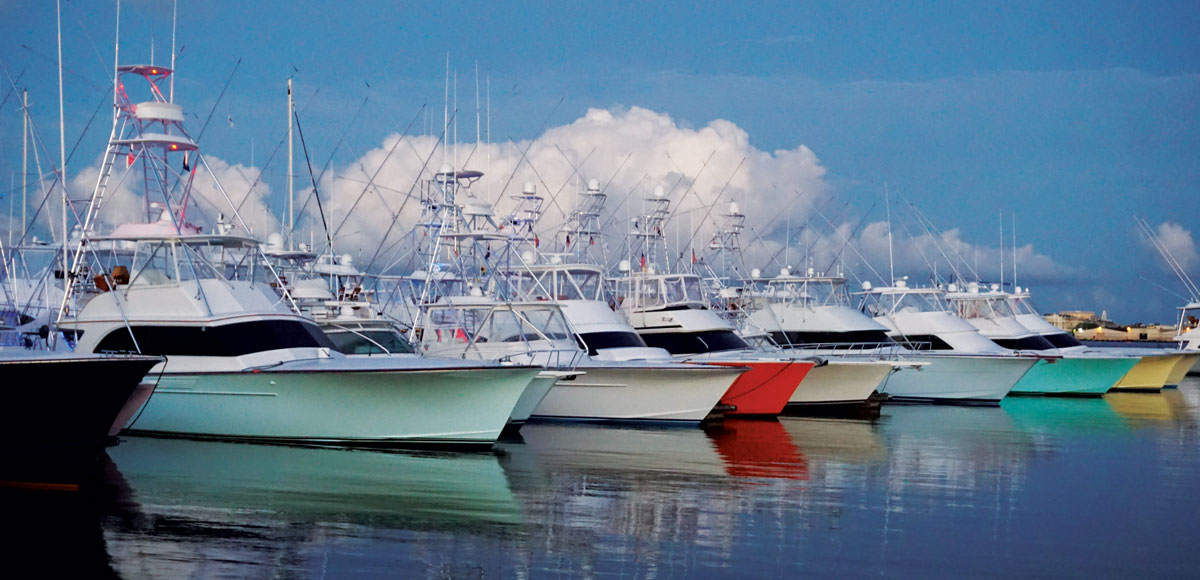

Five captains and one boatbuilder share the boat that taught them the most. The lessons are different. The impact lasts a lifetime.
Boating and fishing have a way of getting into you early and never really letting go. My father used to tell me, “It’s in your blood.” Can any of us really point to exactly what got us hooked? Regardless, we all know that feeling on the ride out to the fishing grounds thinking something special might happen: that mix of anticipation, freedom, and appreciation for being out there. It’s something only sportfishermen really understand.
And if you’ve spent enough time around boats, you know this: there’s always one. One boat that stands out above the rest. The one that taught you the most. The one that had the biggest impact on how you fish and think on the water.
My One Boat: A 1991 50-Foot Bertram
For me, that boat was a 1991 50-foot Bertram. I had the opportunity to run it between St. Thomas and Venezuela in the late 1990s. That’s where I really learned navigation and what it meant to run a big boat. I also learned the owner-captain dynamic and the responsibility that comes with being offshore. More than anything, it showed me why so many choose this life, and how rewarding it is to put your crew on a bite and enjoy big game fishing. Without that one boat, who knows where I’d be today.
So we asked a few others the same question: What boat taught you the most?
Learning Without a Safety Net: Capt. Tony Carrizosa and the Stephanie Lee
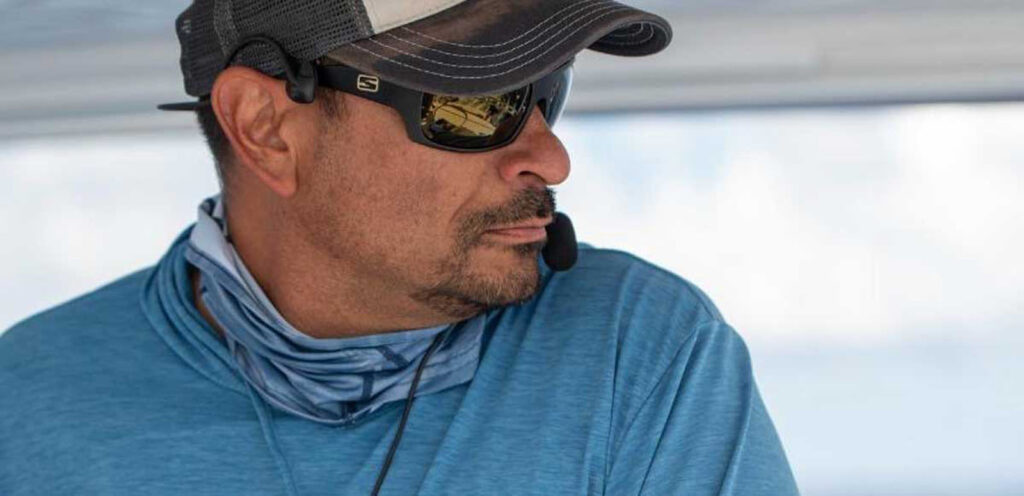
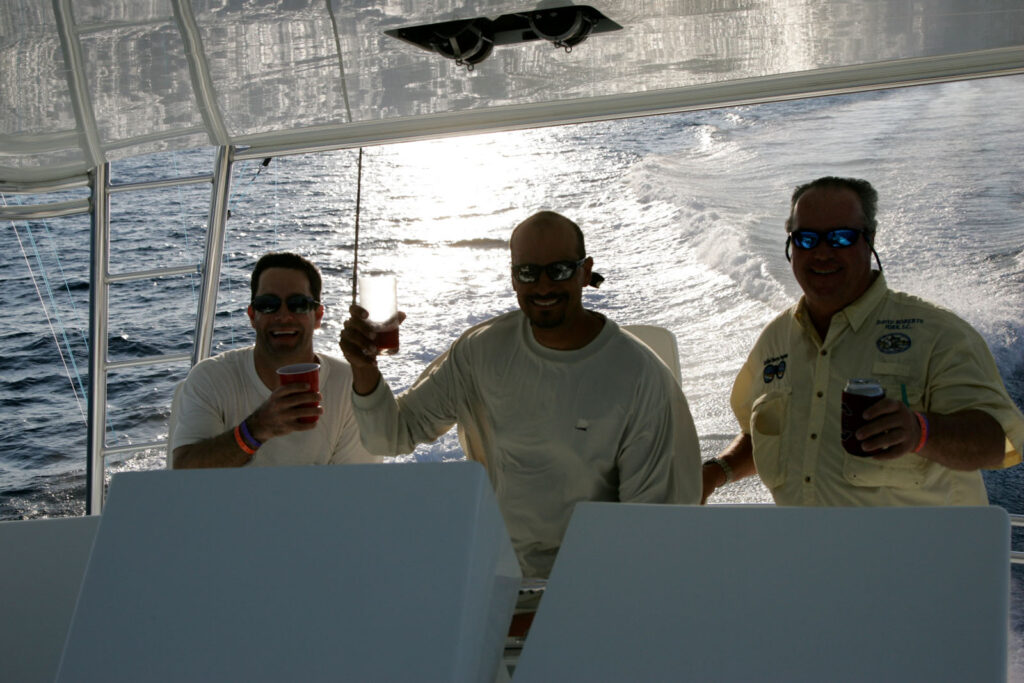
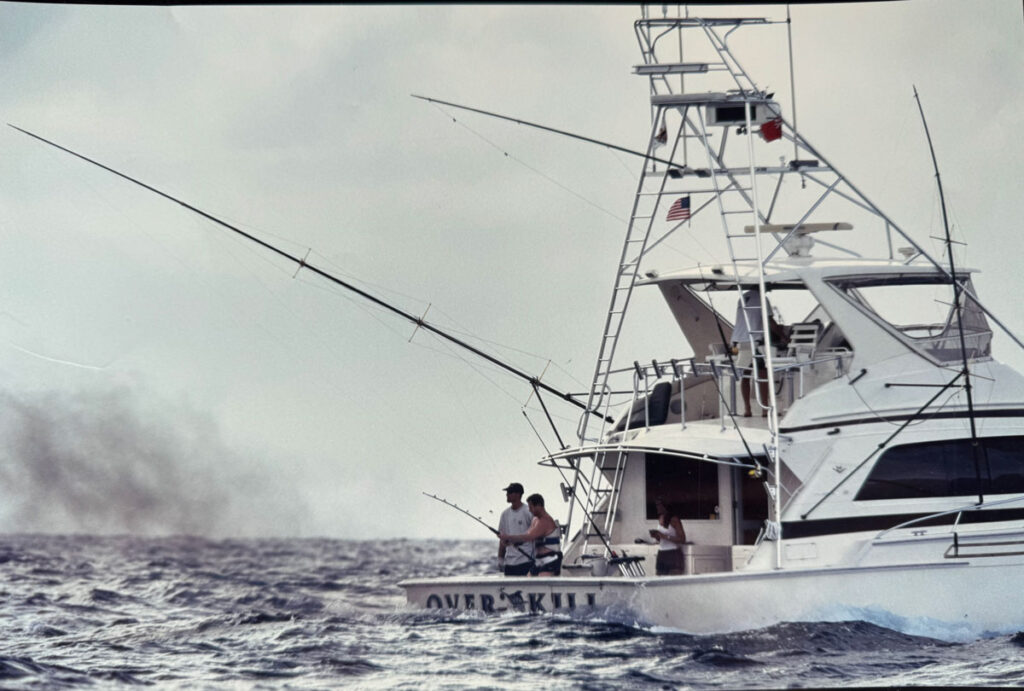
For Capt. Tony Carrizosa, that one boat was the 63-foot American Stephanie Lee. It wasn’t the fastest boat. It wasn’t loaded with the latest tech. In fact, it was the opposite. And that’s exactly why it mattered.
“That boat gave me the core of my Costa Rica knowledge,” Carrizosa says, describing the country where he lives and still fishes competitively today. Fishing Central America, Venezuela, and the Caribbean, the Stephanie Lee was a true traveling program. It came at a time when many of the tools captains rely on today simply didn’t exist. No sonar. No calling someone and getting an answer in seconds. “We looked backwards over the spread when trolling, not forward at a screen,” he says with a laugh.
Back then, lessons were learned hands-on, by putting in time on the water. And when things broke, there was no support system to lean on. Carrizosa recalls rebuilding engines at anchor in Piñas Bay and changing a pushrod in the middle of the night just to stay in a tournament. “You had to get it done,” he says.
That kind of experience builds more than knowledge. It builds independence. It forces you to understand every part of the boat because you have to. For Carrizosa, that boat didn’t just teach him how to fish. It taught him how to figure things out and build confidence as a captain.
“We looked backwards over the spread when trolling, not forward at a screen.” —Capt. Tony Carrizosa
When It All Clicks: Capt. Devin Potts and Sea Mixer
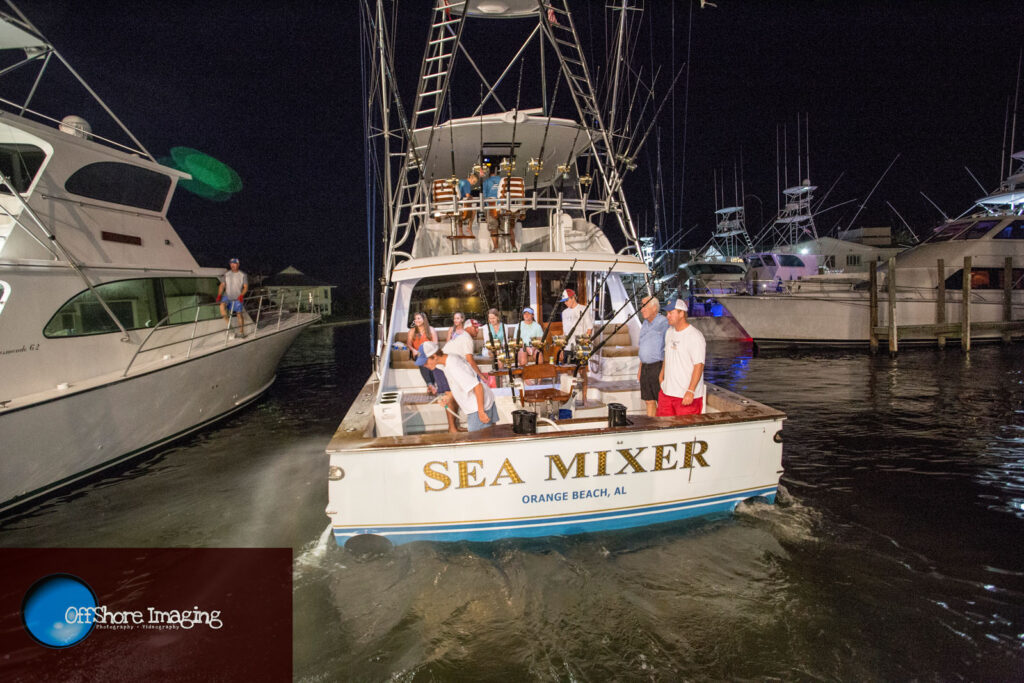
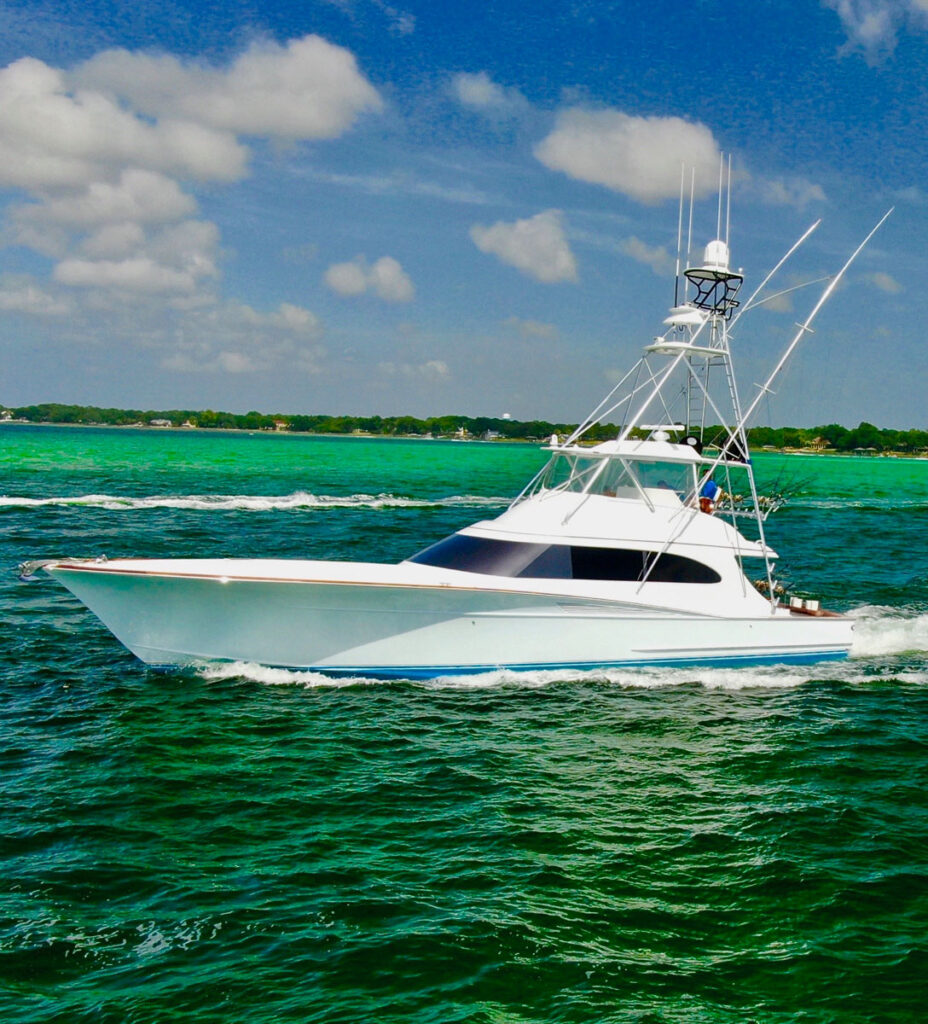
For Capt. Devin Potts, that one boat was the 66-foot Spencer Sea Mixer. “I didn’t know they made boats that rode like that,” Potts says.
Riding on the boat for the first time out of Fort Pierce Inlet, he remembers bracing for impact in a head sea, holding on tight and expecting a pounding when the boat came off the back of a large wave. The pounding never came. “It just cut like a knife through hot butter,” Potts recalls.
That moment reset his expectations for boat performance entirely. The boat wasn’t just fast. It was efficient, and it gave him something every captain values: speed and range. “If you can go further and get there faster, you’re fishing longer,” he says. “That’s another difference that boat taught me.”
Do Some Boats Raise More Fish?
But beyond the performance numbers, there was something harder to explain. The boat just felt right. “It was fishy,” he says. “As if the boat itself raised fish.” He recalls several times pulling into a fleet, dropping back, and getting bites almost immediately. “It wasn’t anything we were doing different,” he says. “It just happened a lot on that boat.”
It’s a conversation every captain has had at some point. Do certain boats simply raise more fish? For Potts, the answer was clear. That boat had something.
Just as important as the performance was the confidence it created. “You felt good leaving the dock,” he says. That confidence changes how you fish. It changes how hard you push. Over time, it leads to better results.
Seeing What You Couldn’t Before: Capt. Chase Lake and Team Supreme
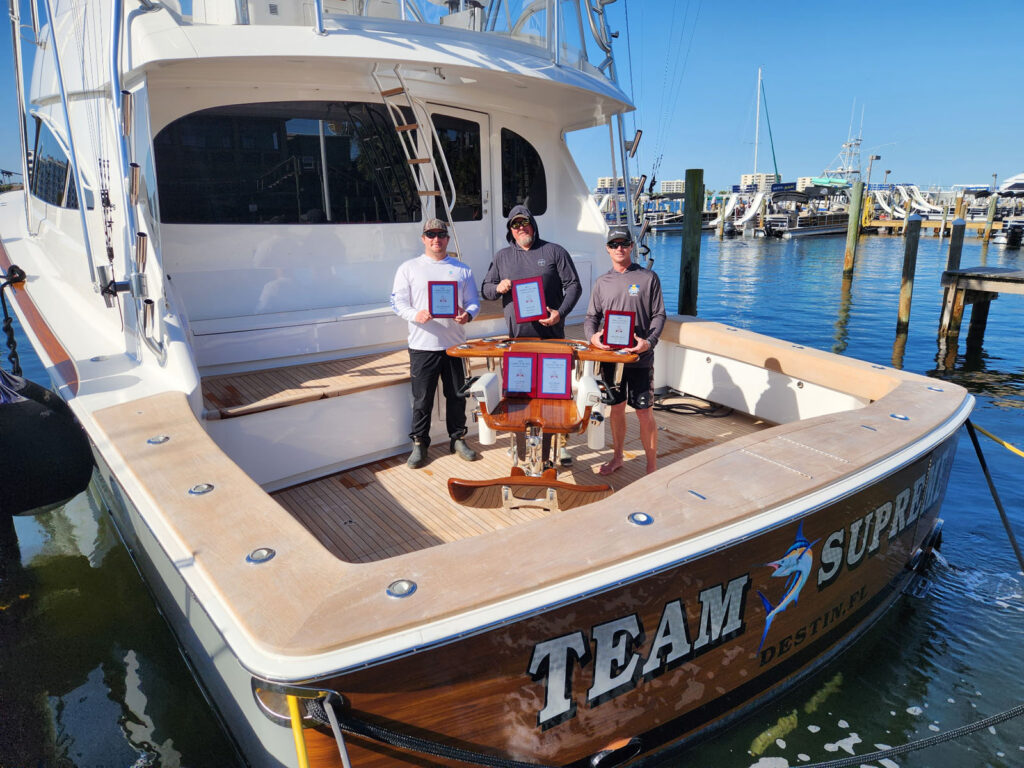

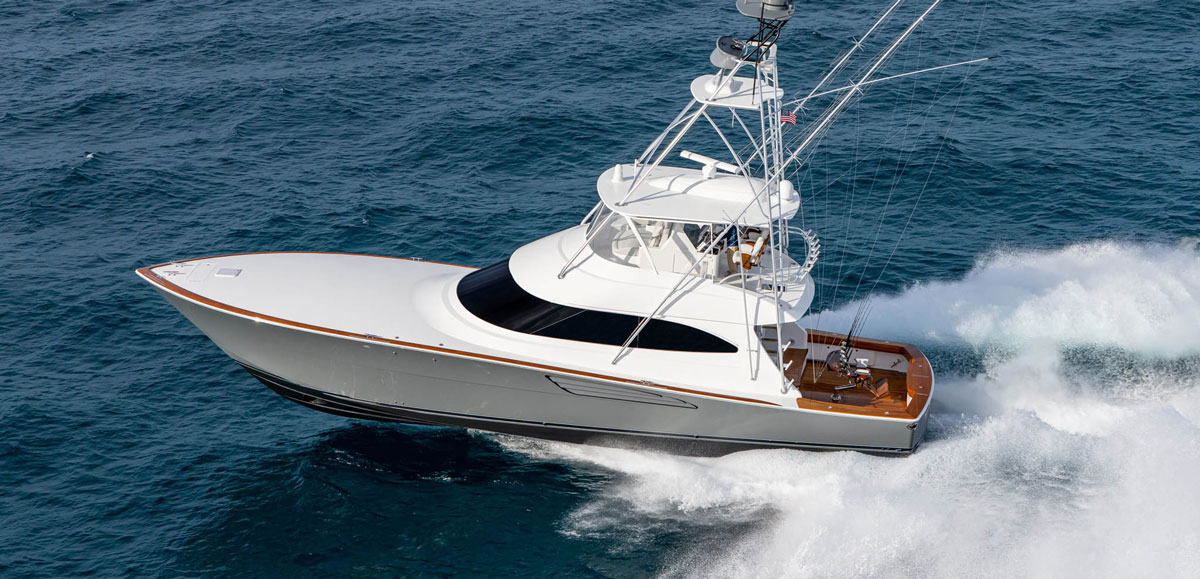
For Destin, Florida, captain Chase Lake, that one boat is the 72-foot Viking Team Supreme. He was involved from the build at Viking through delivery in November 2022, and went on to win multiple tournaments during a three-year campaign throughout the Gulf. The boat was built with the latest technology and an open-checkbook approach.
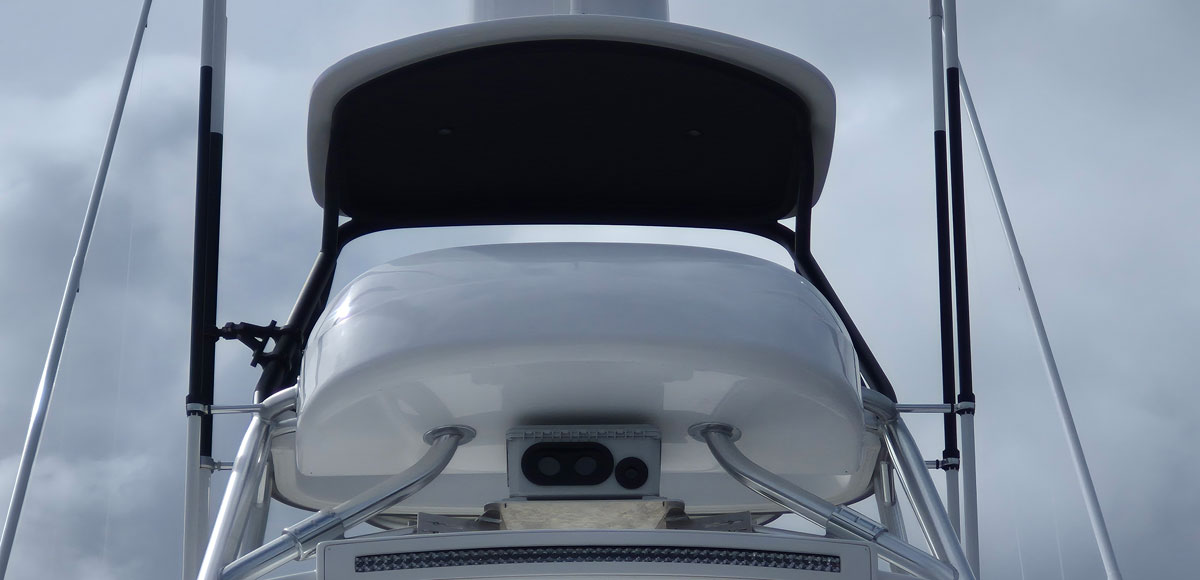
But Lake says the biggest shift came from one tool: the boat’s state-of-the-art sonar. “Now you can actually see what the fish are doing,” Lake says. Where captains once relied on instinct alone, sonar lets them observe pelagic fish behavior in real time. And what he saw confirmed something long debated. “You always heard that the boat raises fish, not always the teasers,” he says. “I didn’t really believe it until I saw it.”
He describes seeing marlin follow his boat after a release, even before the spread was redeployed, and watching them rise up behind the boat. “I’d just drop a bait back and there they were.” It wasn’t a theory anymore. It was visible.
“You always heard that the boat raises fish, not always the teasers. I didn’t really believe it until I saw it.” —Capt. Chase Lake
That same boat also gave him a measurable edge in performance. With a bottom sanded smooth, advanced running gear, and a focus on maximizing speed, Lake was consistently arriving ahead of the fleet. “If I’m doing 40 knots and you’re doing 35, I might catch two marlin before you even get there,” he says.
For Lake, that boat didn’t just teach him how fish behave. It showed him.
Where It Starts: Capt. Scott Fawcett and Bone Shaker
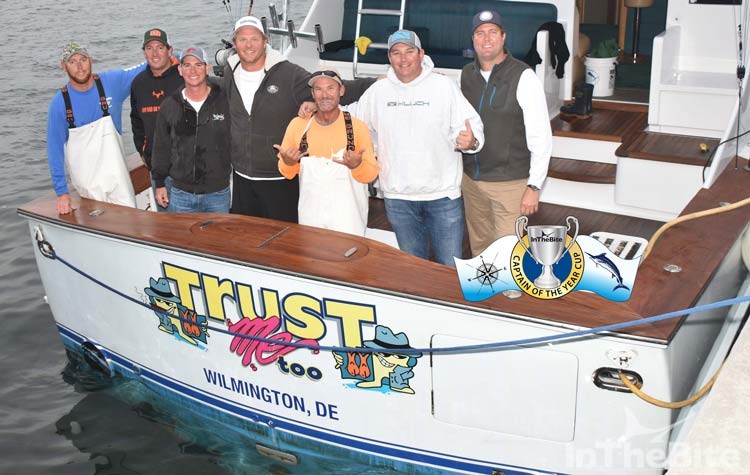
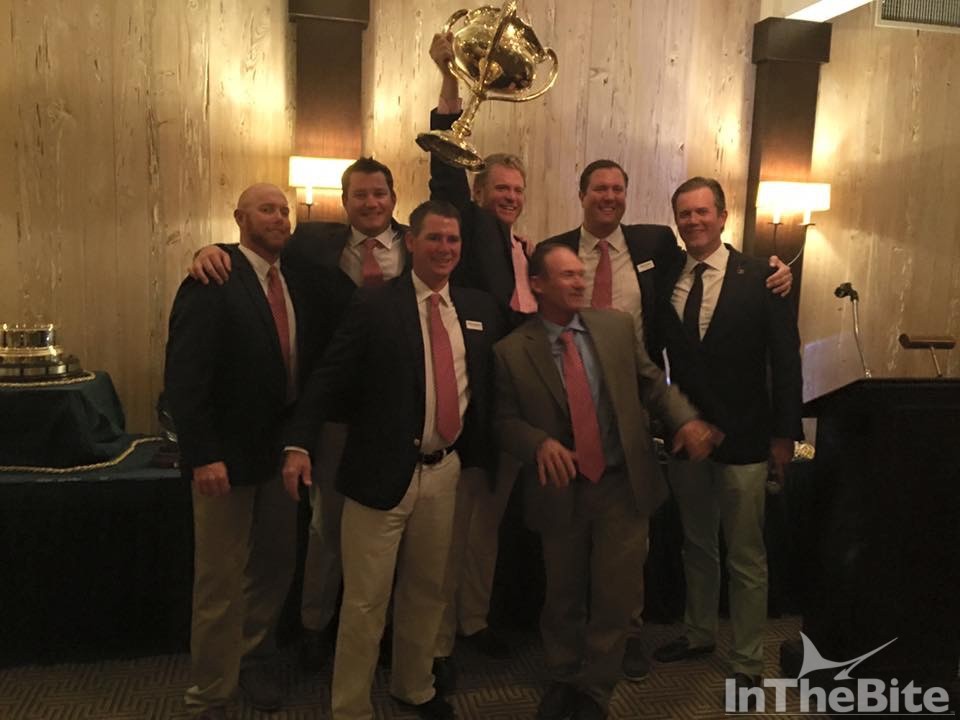
For others, that one boat comes earlier in life. Before the tournaments. Before the big programs. For Capt. Scott Fawcett, who owns and operates Off The Chain Charters in Stuart, Florida, it was a 40-foot Whiticar, Bone Shaker.
“That program taught me everything,” Fawcett says. Working under experienced captain VJ Bell and alongside owner/angler Joe Lehner was where the fundamentals came together, from rigging to tournament fishing to adapting to a sport that was evolving quickly. It was also when dredge fishing was starting to become a major factor. “We learned a ton about dredges back then,” he says.
But more than the techniques, it was the environment that mattered. “That’s where it all clicked.” For Fawcett, that boat was the bridge between learning the basics and understanding what it takes to compete at a high level.
Learning to Feel the Boat: Capt. Scott Murie and a 115-Foot Crew Boat
For Capt. Scott Murie, a career captain, that one boat didn’t come from sportfishing at all. It was a 115-foot Camcraft crew boat running supplies offshore in the late 1970s. Back then, there was no GPS. No positioning systems. Everything was manual. “Radar, charts, set and drift. That was it,” Murie says.
Operating offshore meant learning to navigate by feel as much as by calculation. “You had to stay on the throttles,” he says. “You had to feel the boat.” Holding position at a rig, unloading cargo in a chop, and managing wind and current required constant adjustment. “You couldn’t just set something and let it do the work,” he says.
That experience built a level of awareness that carried into everything he did later in sportfishing. “That boat taught me how to feel it, not just run it.”
The Boats Behind the Boats: Viking’s 55 and the “Rocket Ride”
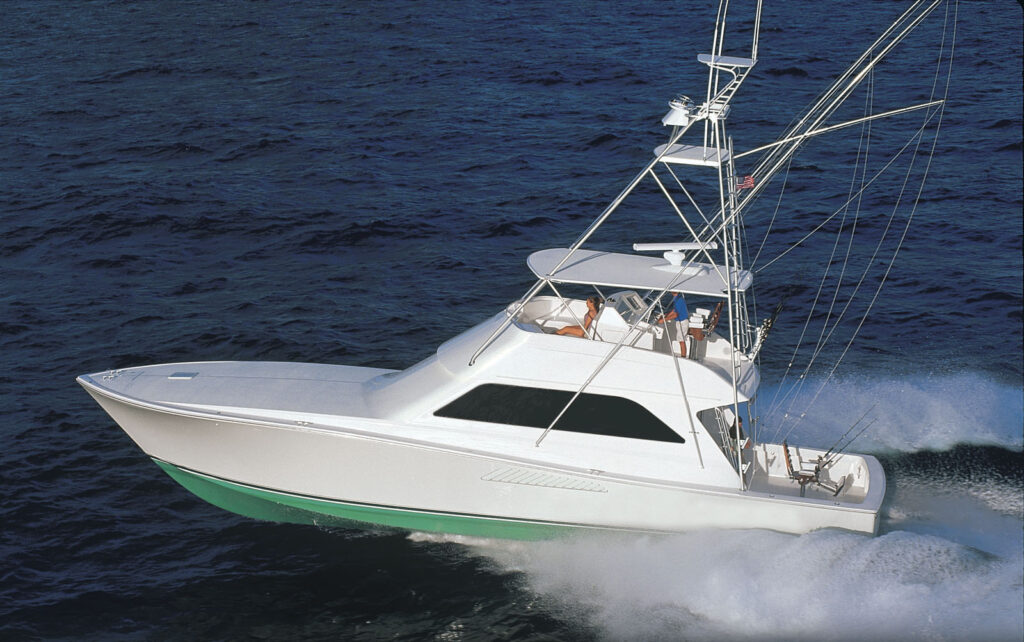
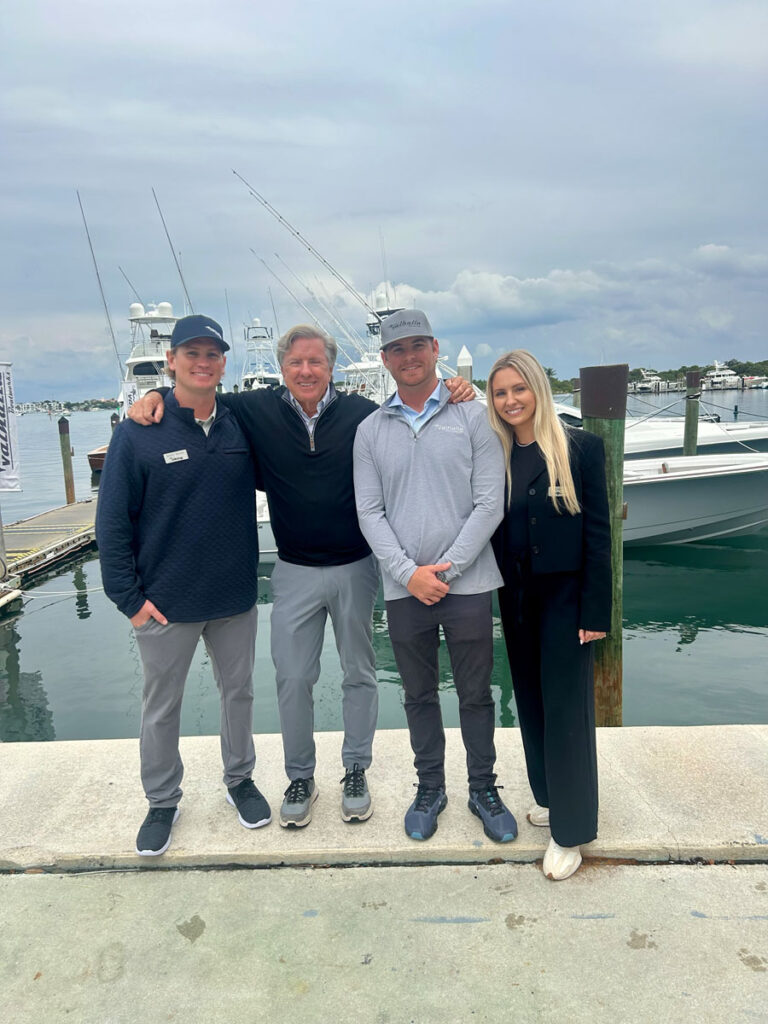
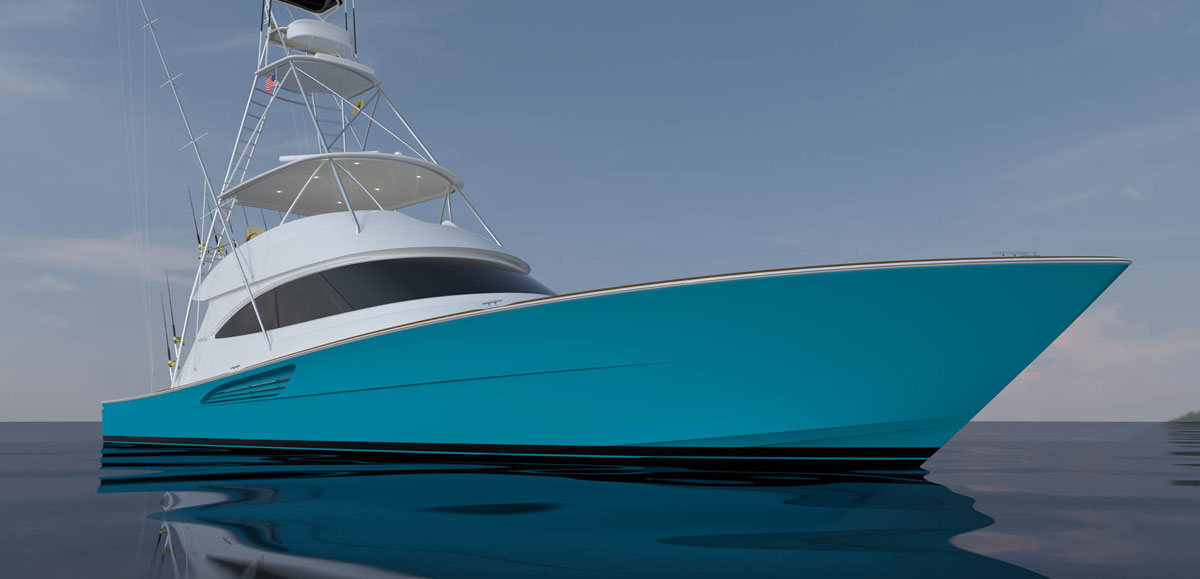
While captains talk about what they learn on the water, there’s another side to the story: the people designing the platforms they run. For Viking Yachts, that one boat was the 55-foot Viking introduced in the late 1990s.
“That was the boat where we took a production boat and made it a custom boat,” says Viking CEO Patrick Healey.
At the time, production and custom boats were very different. The goal was to bring custom-level thinking into a production platform. That meant studying what worked in custom builds and integrating it into something replicable. Layouts, visibility, systems, performance: it was all rethought. Before finalizing the design, the team tested ideas on an existing platform, refining what worked and improving what didn’t.
When the 55 launched, it didn’t just succeed. It became the foundation for everything that followed. From that design came the 61, the 65, and the 74. “That’s when we were on the rocket ride,” says Healey.
For builders, that one boat isn’t just a milestone. It’s the one that changes everything.
There’s Always One
Boating and sportfishing are a life journey. The boats change. Technology evolves. What you look for in a boat today might not be what mattered ten years ago. There is no perfect boat. But what was your one boat? The one that taught you something. The one that challenged you. The one that pulled you deeper into the sport.
For some, it’s a boat they wish they still had. For others, it’s the one that set them on a path they’re still building on today. And maybe the best part is this: the next time you take someone fishing, you might not think much of it. But for them, that could be the boat. The one that makes a lasting impact. The one that starts it all.
What was your one boat? E-mail dwills@intheite.com or tag us on social with #MyOneBoat.

Dive Deeper into the World of Sportfishing
You’ve just experienced a taste of the exceptional content featured in the pages of InTheBite Sportfishing Magazine. If you found this engaging, you’re in for a treat with our full publication. Whether you prefer the tactile experience of print or the convenience of digital, we have the publication for you.
Visit our subscription page now to join the InTheBite family and elevate your sportfishing experience with every issue.