



Table of Contents
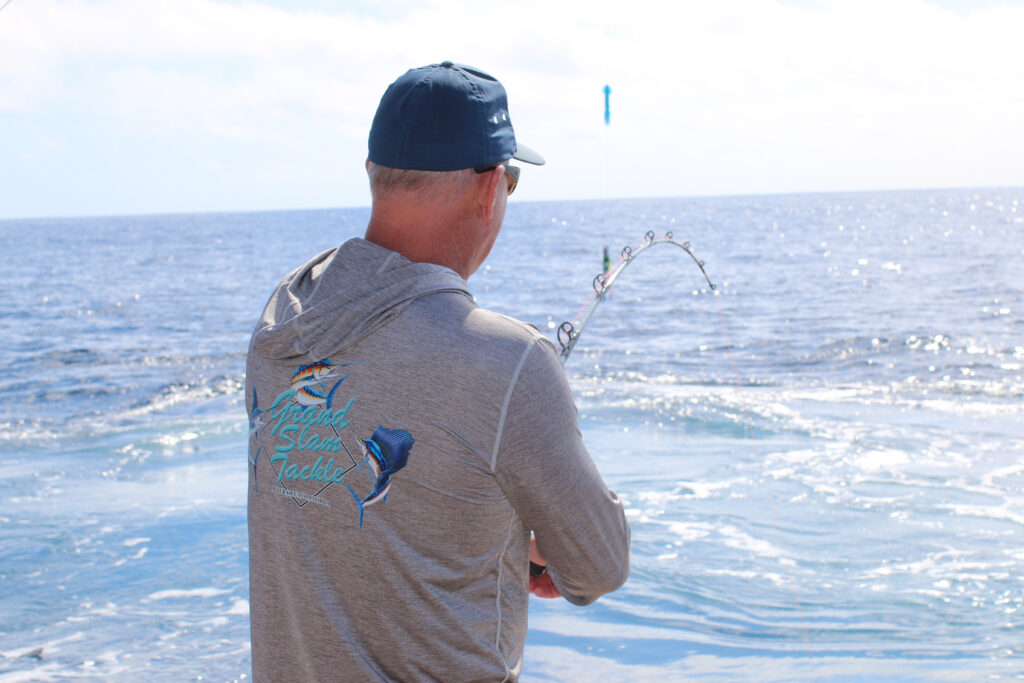
We’ve carefully selected eight of the most frequently used knots in offshore big game fishing. While this selection leans towards billfishing, these knots are adaptable and find utility across various fishing techniques. For any aspiring deckhand, we’ve selected these as the 8 fishing knots every deckhand should know and mastering these knots with speed, precision, and confidence is paramount.
“One thing I’ve learned about knots is that there are countless variations,” remarks veteran deckhand Matthew Allen. “One angler may favor a 25-twist Bimini Twist, while another opts for a 35-twist Bimini or a 4-up and 4-down Yucatan knot, or a 4-up and 3-down. Tackle size also plays a role in knot choice. For heavier tackle (80- to 130-pound), you’re more likely to use a Benjamin Knot or some form of a Uni Knot directly connected to a snap swivel with a heavy leader crimped to the lure or hook.”
Allen, having traveled to epic blue marlin fisheries worldwide, supports the selection of these eight knots as a core set of skills for any mate.
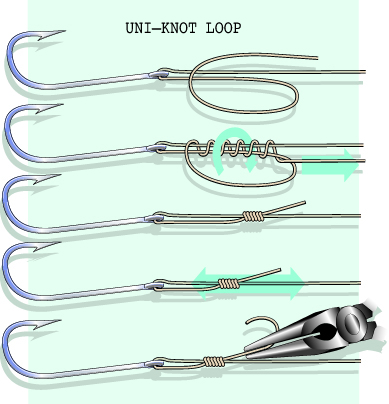
The Uni Knot: A Versatile Fishing Essential & #1 of 8 Fishing Knots Every Deckhand Should Know
The Uni Knot excels in various applications, from tying wind-on leaders to tying on snap swivels to attaching fishing line to reel spools and securing hooks and lures. Its holding power ranks high. A common variation is the double line Uni Knot, providing increased coverage and durability. It’s also popular for connecting braid to mono leaders, suitable for line strengths from 10-pound mono to 100-pound test. On a big-game fishing boat, you’ll use this knot almost daily. Remember, like all knots, moistening the line before tightening is crucial.
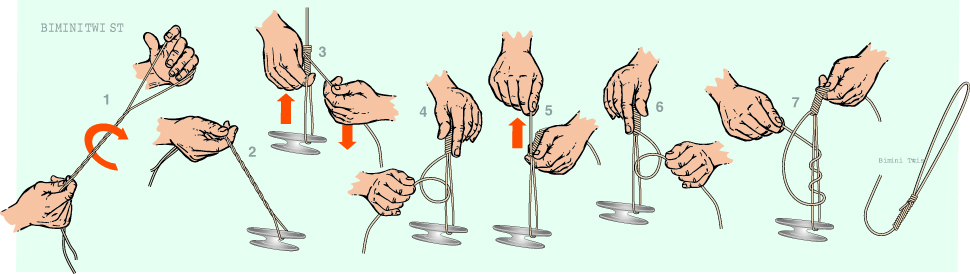
Mastering the Bimini Twist: Practice Makes Perfect
Learning the Bimini Twist may require some repetition, as mastering it often involves tying several before achieving perfection. It’s akin to learning to play a musical instrument – each step becomes second nature with practice. Tying it in the same environment, such as using your rod as an anchor, can be very helpful. Expect to use this knot frequently.
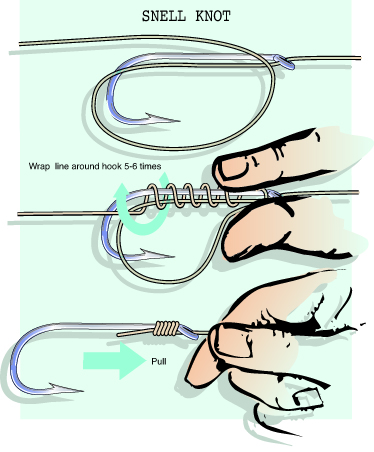
Snell Knot: The Go-to for Circle Hooks
When circle hooks became mandatory in billfish tournaments in 2007, the Snell Knot became a standard for fishing mates nationwide. If you haven’t used it in a while, a quick refresher from a diagram or YouTube video can help. A variation called the Power Snell Knot involves doubling the leader and threading it through the hook eye. Learn this knot for its versatility.
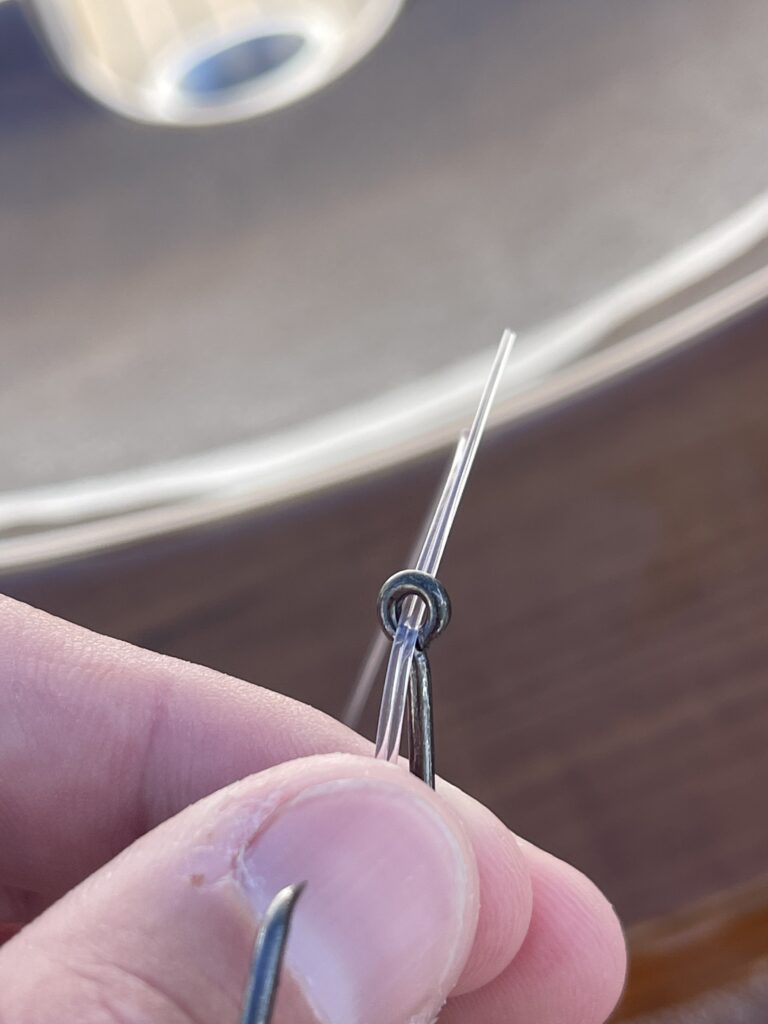
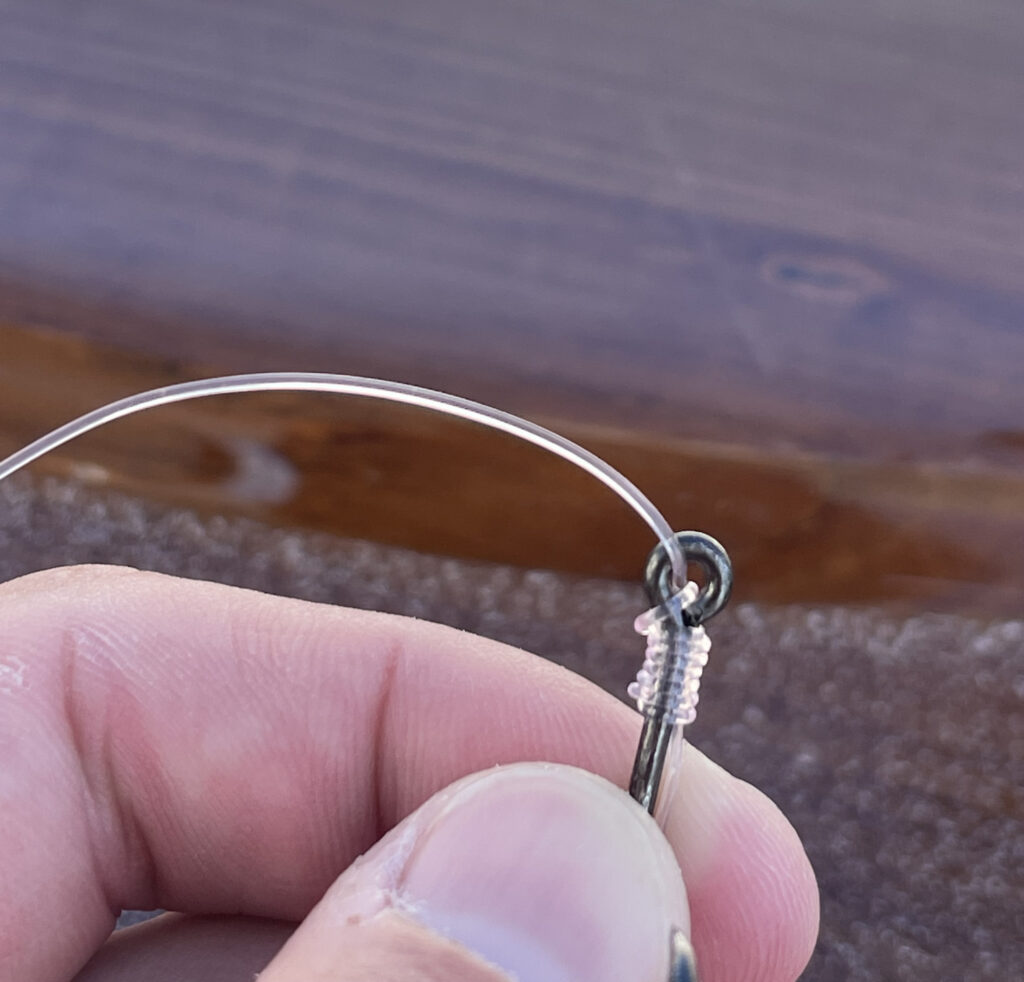
Yucatan and False Albright Knots: Connecting Leaders to Loops
Known by various names, including the Yucatan Knot and False Albright, this knot’s primary purpose is to connect a wind-on leader to a Bimini Twist loop. Evolution has seen it adapted for use with stiffer fluorocarbon lines. Remember not to push the tag end through the loop in the early steps, as it reduces bulk and ensures a more secure connection.
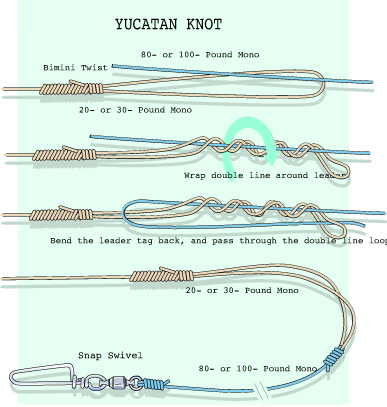
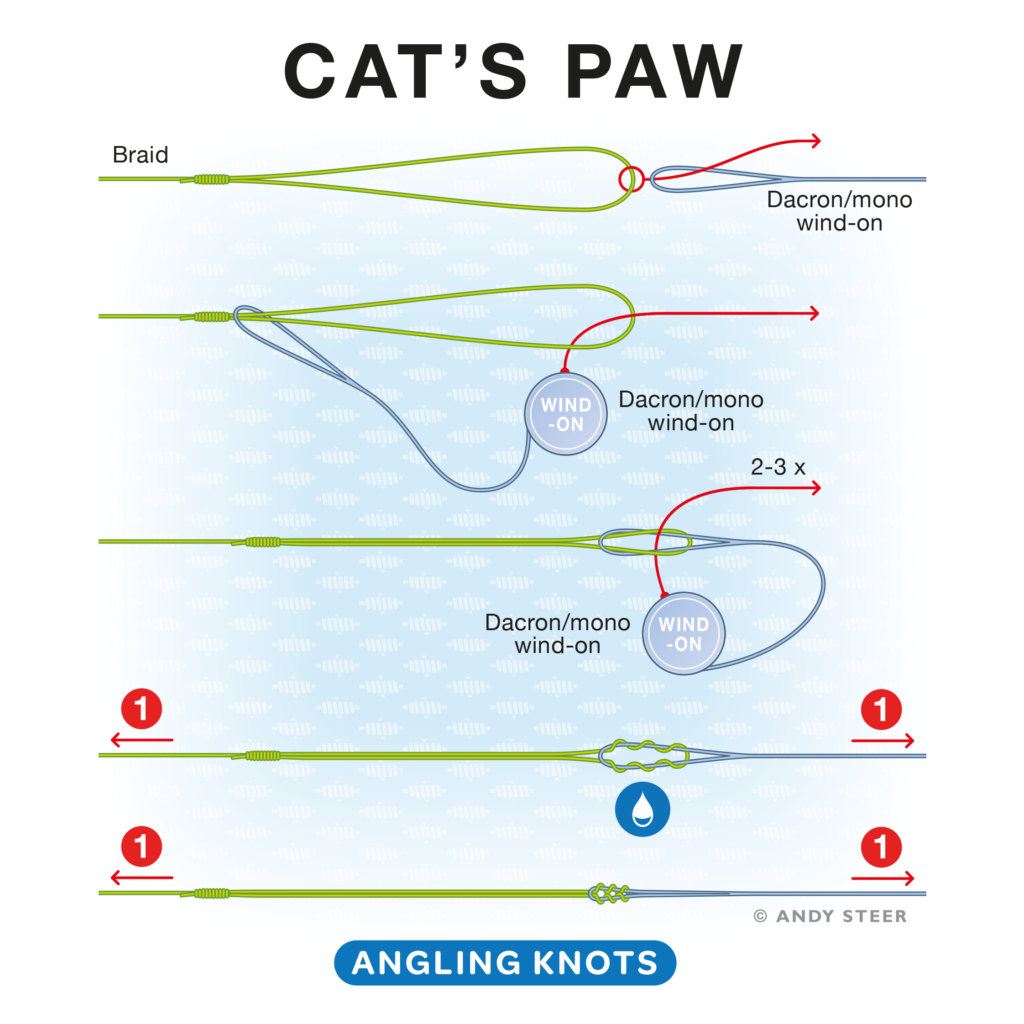
Cat’s Paw Knot: Secure Loop-to-Loop Connections
The Cat’s Paw Knot is essential for connecting a Dacron loop wind-on leader to a double line Bimini Twist main line and a loop-to-loop backing to a top-shot main line. It offers exceptional security and retains 100% of the line’s breaking strength, making it a common leader connection in big-game sportfishing.
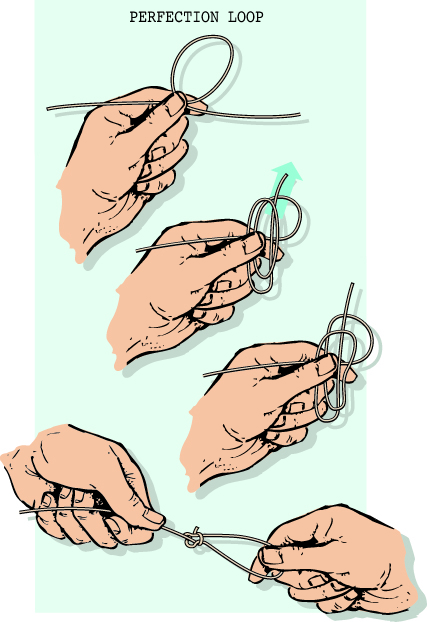
Perfection Loop: Quick Loop for Leaders
Although less frequently used than the others, the Perfection Loop comes in handy when you need a quick loop on the end of a leader. While crimps are often the preferred choice, this knot serves as a simple and effective alternative when crimps are unavailable.
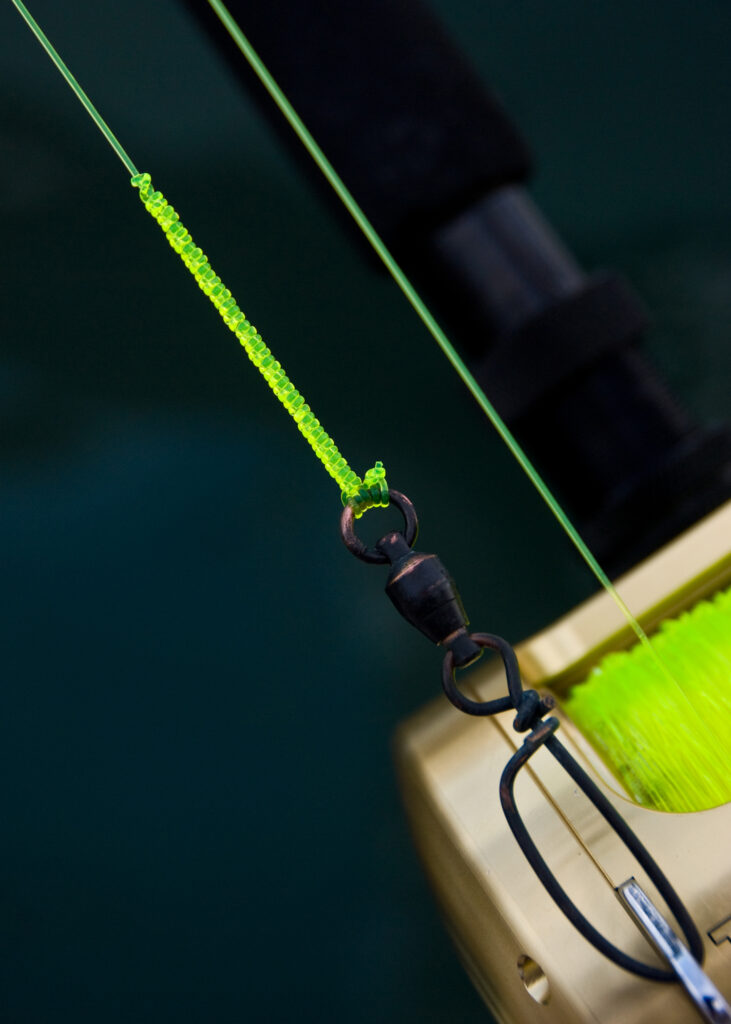
Benjamin Knot: For Heavy Tackle Attachments
Common among professional crews, the Benjamin Knot is a must-know for those using heavy tackle in the range of 50- to 130-pound test. It’s used to attach the main line to a snap swivel, known for its shock absorption capabilities when tension is applied.
Bowline Knot: Not for Fishing
While not a fishing knot, the Bowline Knot is essential knowledge for any deckhand. It’s versatile and can be used to create a fixed loop on the end of a line, making it invaluable for securing ropes to cleats, tossing dock lines over pilings, or tying off dinghies. Its ease of tying and untying is a major advantage.
Learning these eight knots will provide a solid foundation for your offshore fishing career. Knot-tying techniques can vary greatly from one boat to another as you travel to different locations. Pay attention, learn from experienced anglers and crew, and you’ll soon find yourself teaching others the dos and don’ts of tackle tying. Never stop improving!
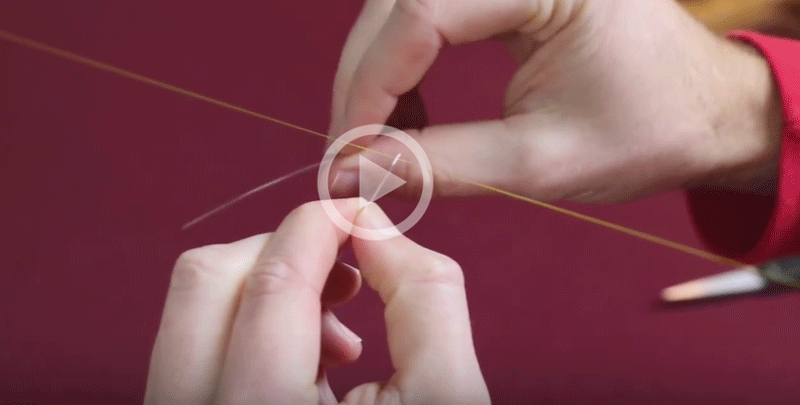
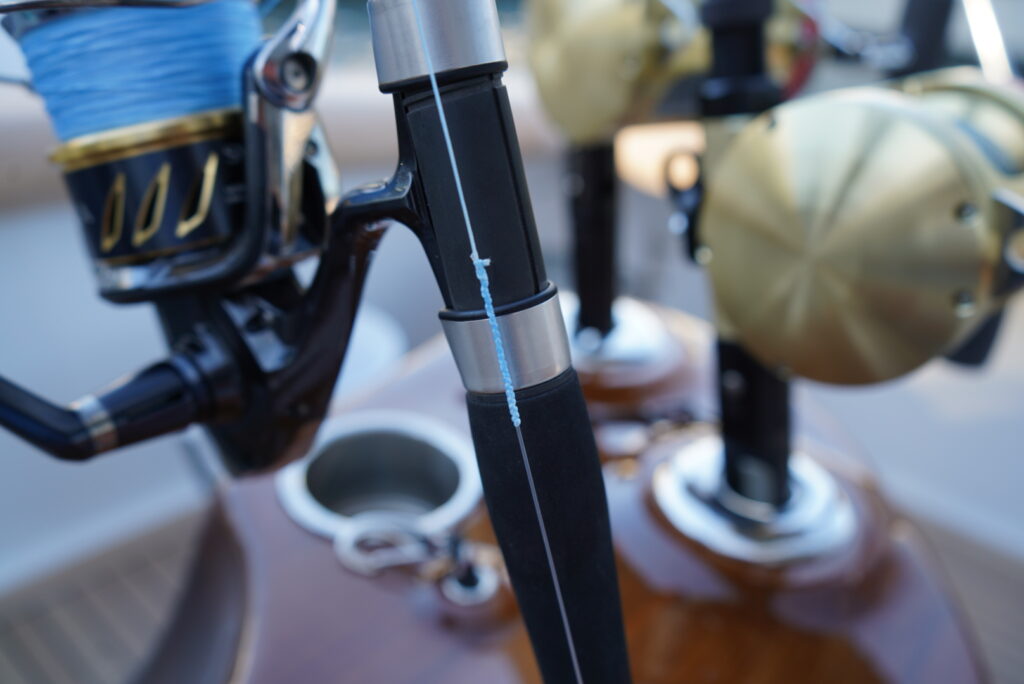
BONUS: FG KNOT New Technique For the Ambitious Crewman

Dive Deeper into the World of Sportfishing
You’ve just experienced a taste of the exceptional content featured in the pages of InTheBite Sportfishing Magazine. If you found this engaging, you’re in for a treat with our full publication. Whether you prefer the tactile experience of print or the convenience of digital, we have the publication for you.
Visit our subscription page now to join the InTheBite family and elevate your sportfishing experience with every issue.


For more great Tackle Tips from InTheBite Click Here
If you like this type of content we highly recommend you join our e-mail list. We’ll send you a FREE copy of the most current issue just for joining.