



Table of Contents
Exploring the Rich History of the Canary Islands
Situated just over 60 miles off the coast of Africa, the Canary Islands are a Spanish archipelago that boast a long maritime history dating back to the days of Christopher Columbus. Long before the dawn of Canary Islands sportfishing, explorers of the time used the islands as a jumping off point to begin their journey to the Americas. And while the Canary Islands of today obviously look much different than they did in the 15th Century, the exceptional fishing and the diversity of the islands themselves are reason enough to put them on your list of places to explore if you’re looking for big fish in an exotic location, while still being around many of the comforts of home.
Prime Locations for Canary Islands Sportfishing
The Canary Islands are made up of seven main islands with the most popular for big game fishing being La Gomera, Grand Canary and Lanzarote. Each of the islands boast their own unique characteristics that range from dense forests and volcanic mountain peaks, to dry sandy coastlines that serve as a reminder of their proximity to the North African coastline.
Seasonal Fishing and Climate Advantages
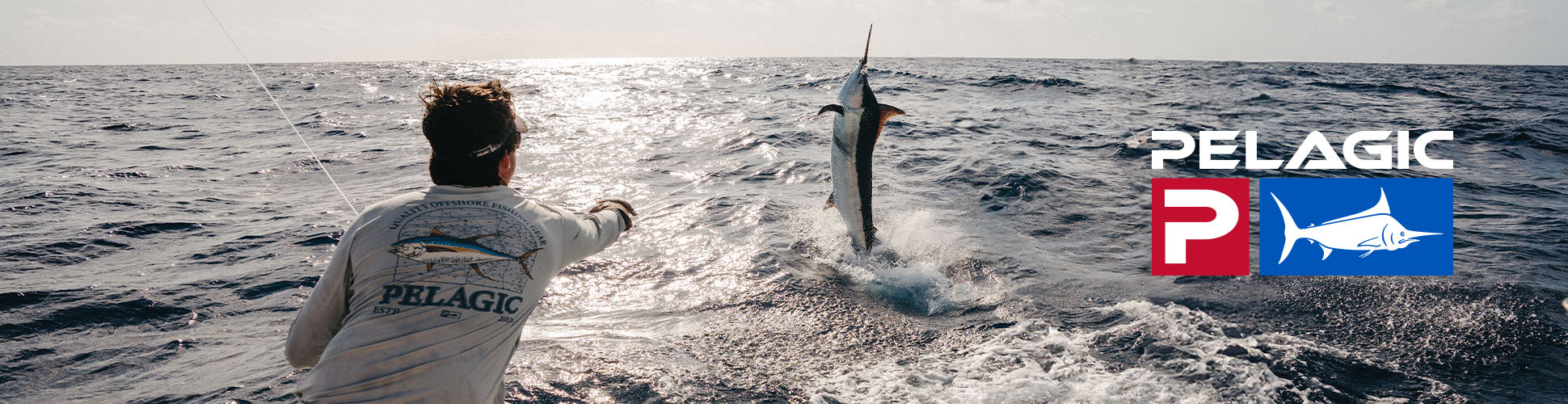
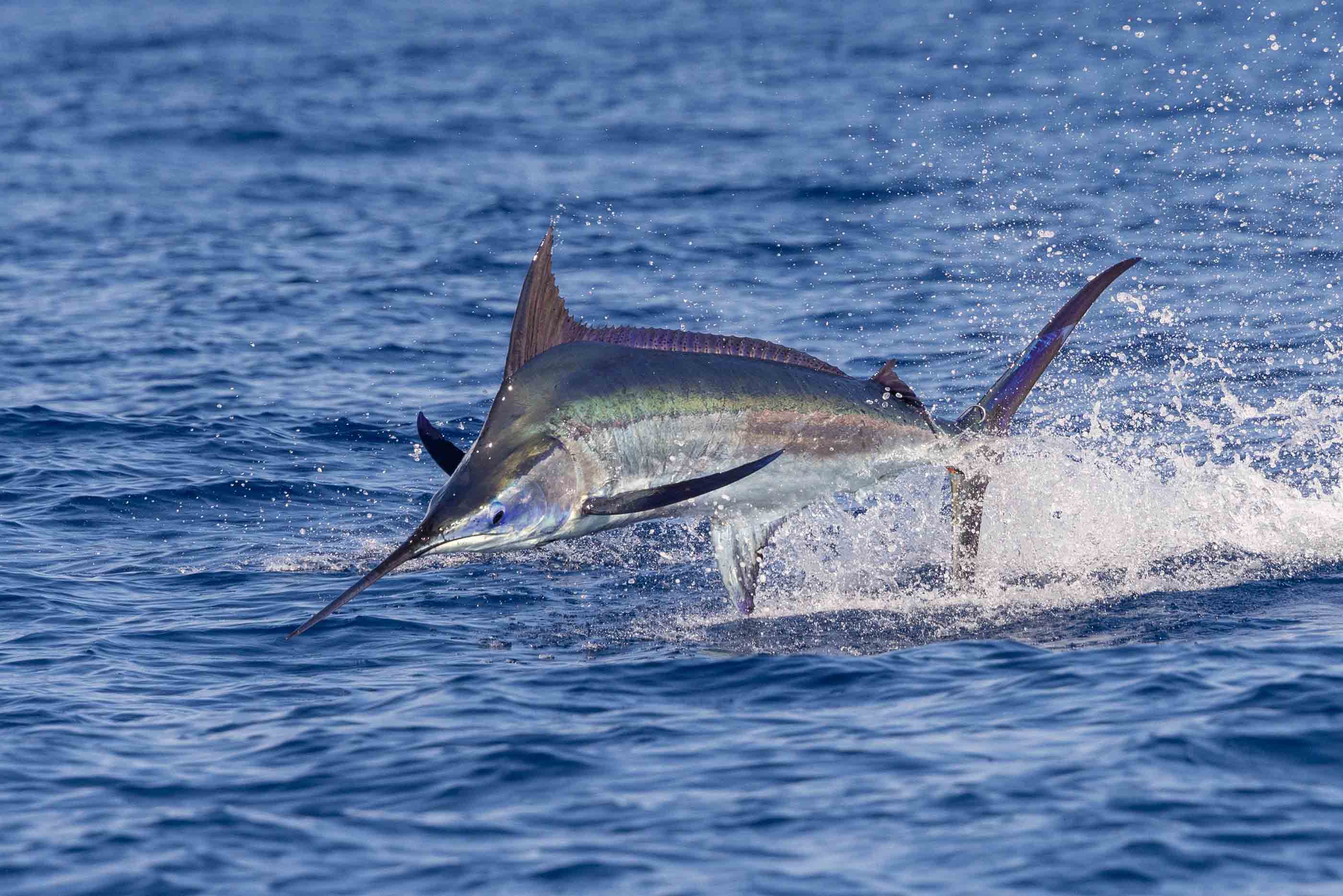
As a popular getaway for European tourists, the Canaries have a wonderful climate during the marlin season, with warm temperatures and relatively low humidity. Most fishermen who have considered the trip to the Canaries do so in search of the large blue marlin and tuna that frequent the islands.
While the islands may not get the same recognition as other hotspots in the East Atlantic, blue marlin up to and above the grander mark have been caught quite frequently over the years. The strictly catch-and-release fishery can also produce days with multiple bites, and light fishing pressure from other boats, even in the most popular locations. And if you’re looking for variety, jumbo bigeye tunas and giant bluefins frequent the area as well. The prime season for blue marlin is from about May through September, but Lanzarote can offer some great Canary Islands Sportfishing during September and October when the strong trade winds begin to ease off there. Giant bluefin tuna usually make their appearance around March or April and the fishing can be incredible at times, with multiple bites not uncommon. This Canary Islands Sportfishing offers a chance at big fish close to shore and often in relatively calm water if you’re fishing on the lee side of the islands.
Navigating Travel and Marina Logistics
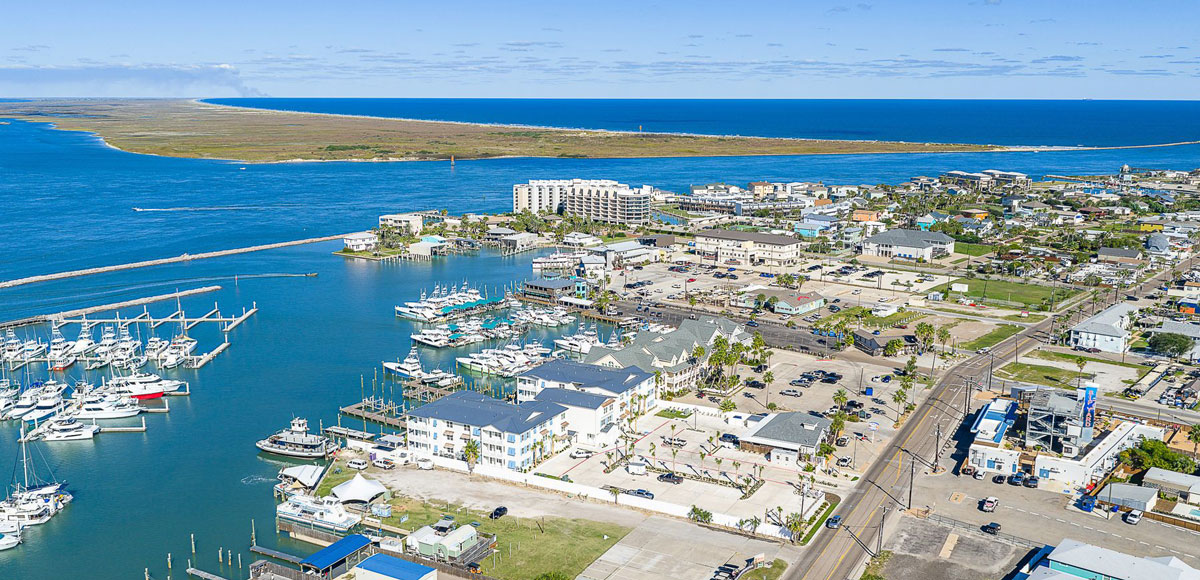
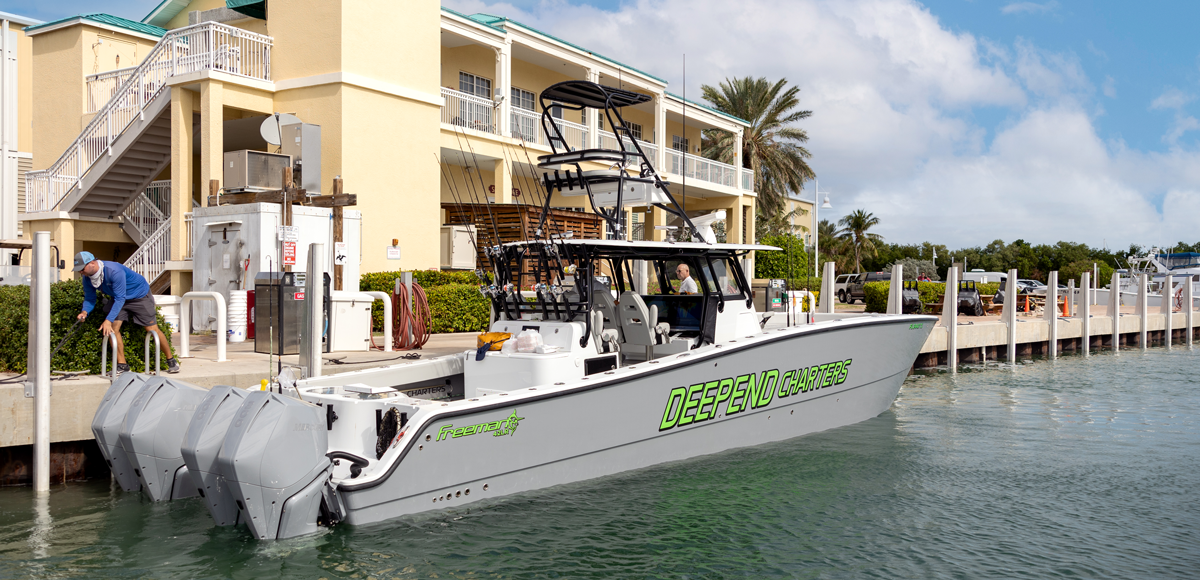
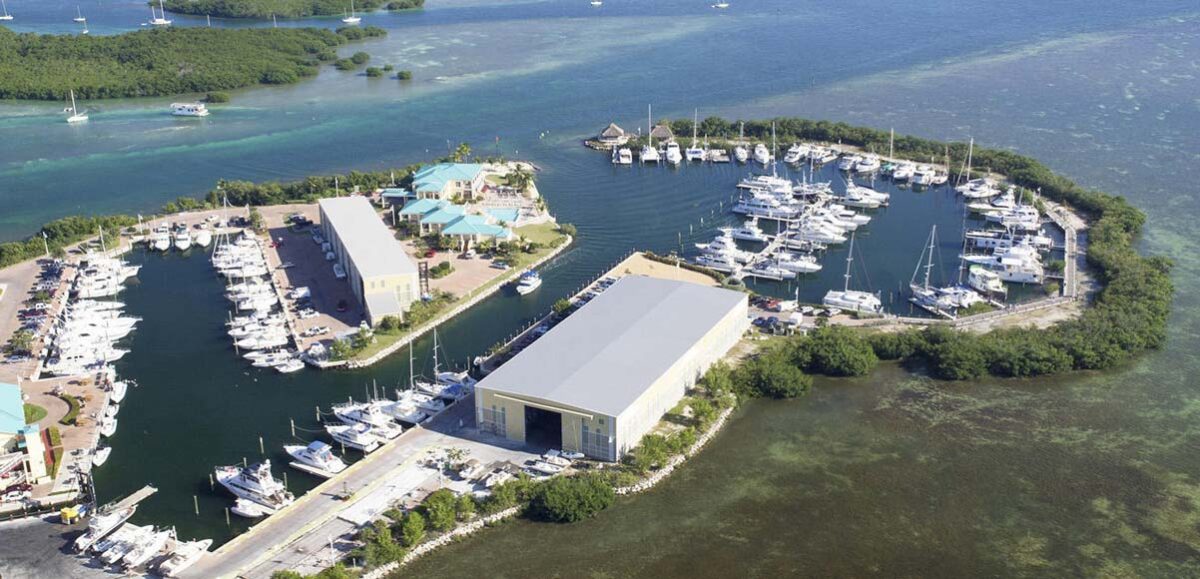
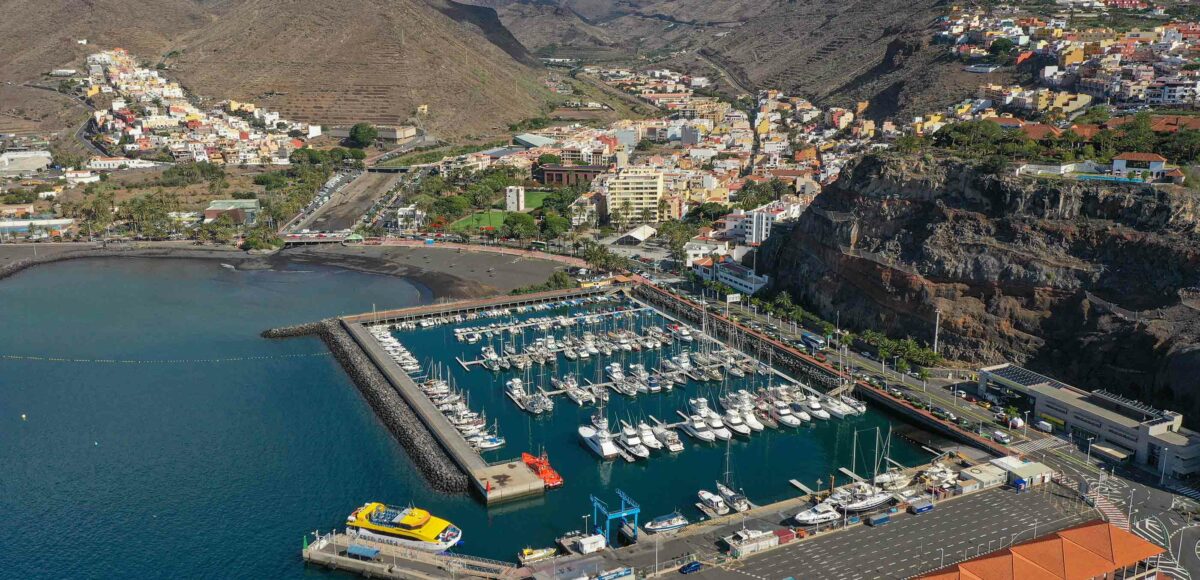
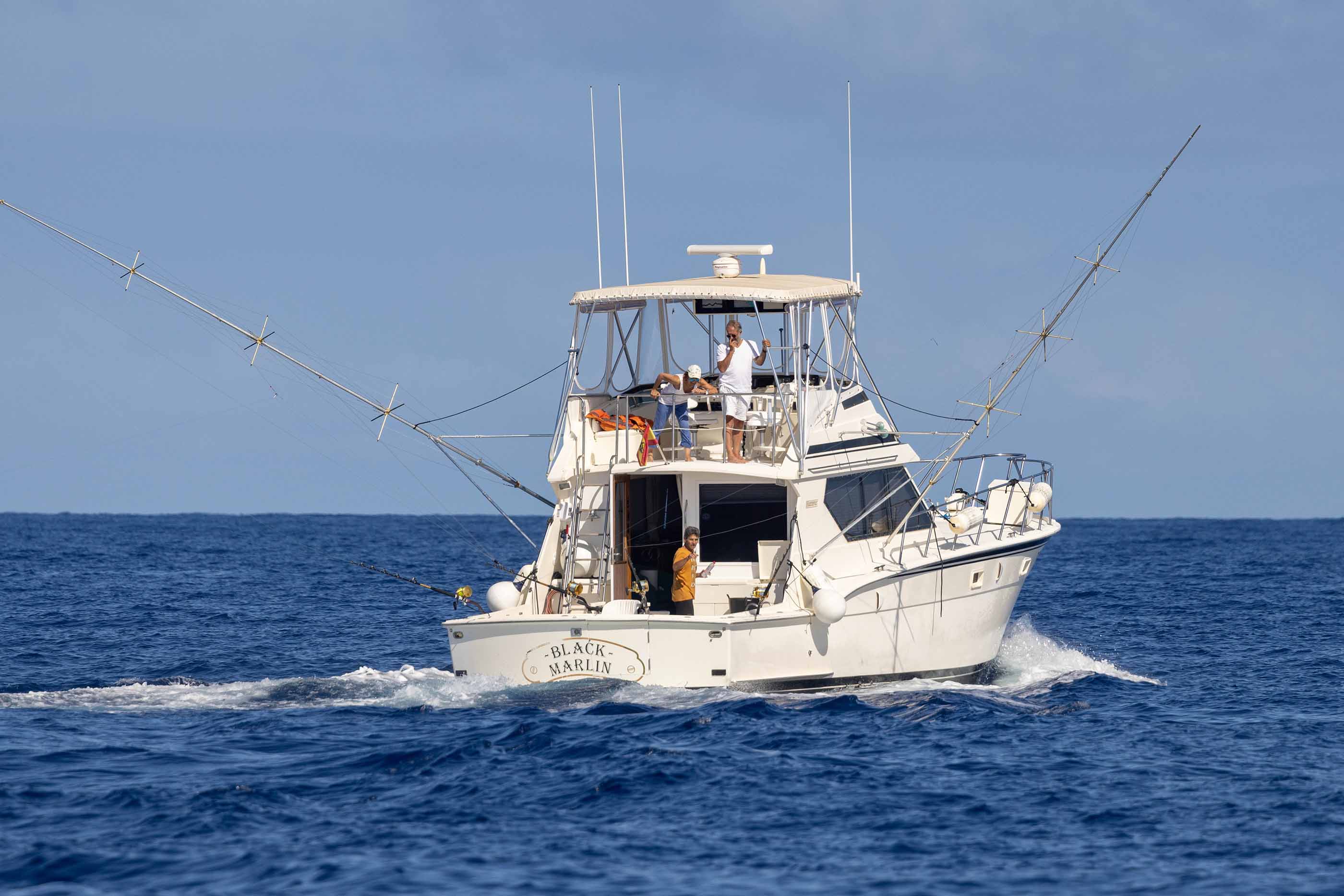
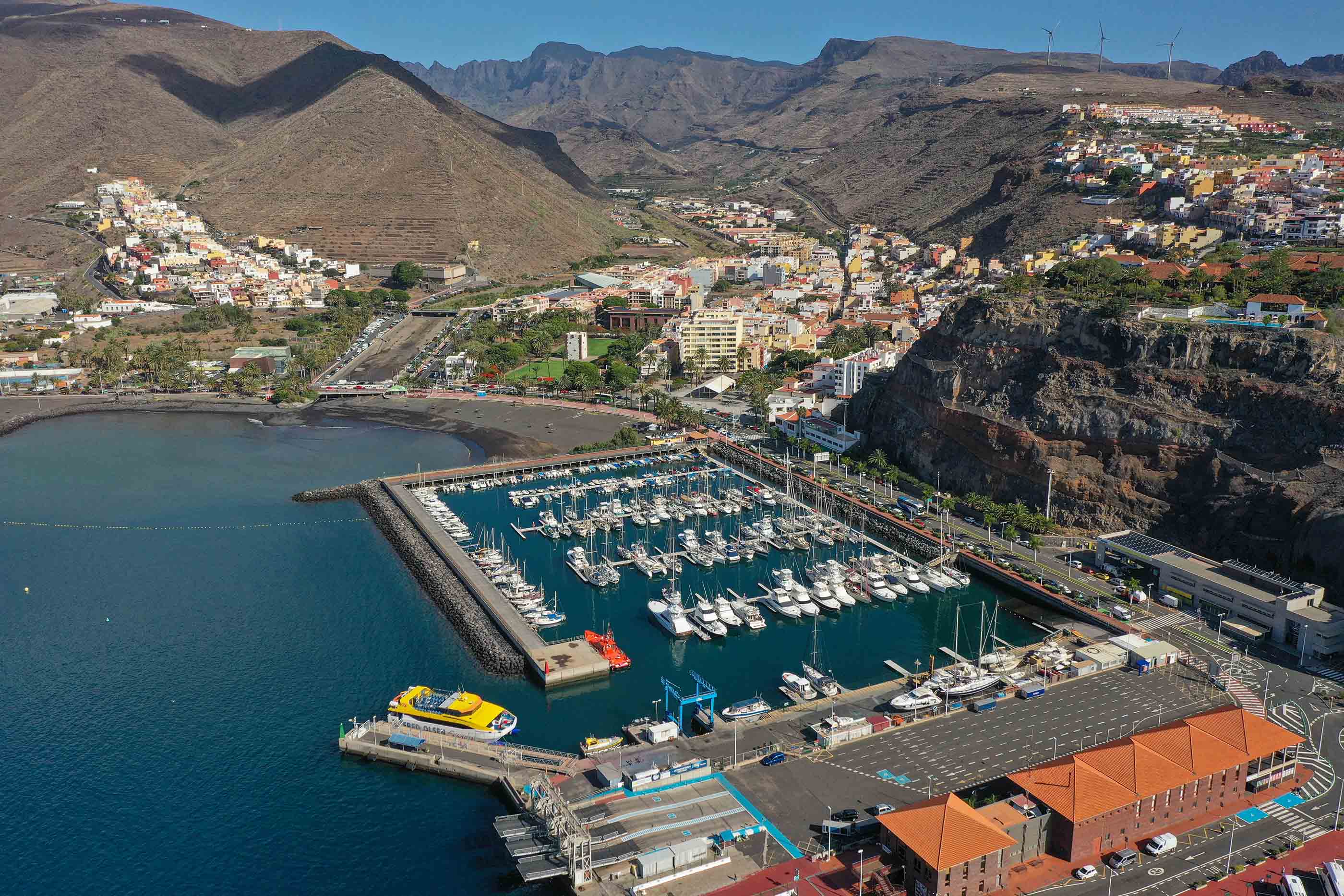
Getting to the Canaries from the US will usually require a layover in Madrid or another European city where you can clear customs into the EU before making the jump over to the islands, but United Airlines is now offering flights three times a week between New York-Newark and Tenerife. If you’re bringing your boat over, some shipping companies offer an offload in Grand Canary during certain times. Gibraltar and Mallorca are also common shipping ports in the region but will require some open ocean travel to reach the islands. The Canaries offer many of the conveniences of marinas back in the states, with good fuel, power, and water. Most of these marinas are more commonly used by sailing vessels instead of large sportfishers, so it’s important to make a reservation in advance, as there are limited slips in most places especially for boats over 60 feet.
Fueling for larger vessels may take a bit longer in some marinas but we found it to be clean and reliable. Organizing a fuel truck can also be possible and sometimes a more economical option. Hooking up to shore power will require you to bring the necessary adapters to use with the standard European 240V/50Hz 3-phase power. Water hookups vary so I recommend bringing a variety of hose fittings, but those can often be purchased locally as well. Surge can be an issue at some marinas, even in the calmer summer months so keep this in mind with your tie ups. Another point worth noting on this subject are the mooring lines in many marinas here.
Local Knowledge
Instead of having pilings, bow lines are attached to concrete blocks on the bottom, with assist lines connected to the dock. When pulling in the slip, these lines must be grabbed with a gaff or passed over to the boat and then attached to your bow cleats. Because they’re submerged for much of the time, this can be a pretty dirty process, and I’d also caution you to let them sink well before you pull out of your berth. Tossing the ropes and going ahead quickly can result in someone having to take a swim to clear your wheels or rudders if you’re not careful! Haul-outs are available if needed in a few places on the island, but I’ve been told by locals that Lanzarote offers the best facilities if you need to come out of the water for service or repairs.
Finding food from restaurants or supermarkets was also fairly easy here, though you may not find all the same products you’re used to in the US. There were also plenty of restaurants and watering holes nearby the marinas that we visited, but you’ll notice the Spanish dinner hours to be a bit later than that of the states. Many businesses (including some marinas) are closed for a mid-afternoon “siesta,” so keep this in mind while making plans. Being fluent in Spanish is an obvious plus here but getting by with English in most places isn’t too difficult, as the island is frequented by tourists from England.
If you’re bringing your own vessel here, you need to clear customs and have an inspection by local authorities as you arrive or offload, and to fish you must obtain a protected species permission, as well as purchase individual fishing licenses for everyone on the boat. I highly recommend enlisting a local expert such as Ion Dickow (iondickow@hotmail.com, +34 622-197-195) to help with all these logistics, as they’ll make sure that you’ve got all the local requirements covered and assist with any language barriers. This local knowledge will flatten the learning curve immensely, and in turn save you time and money in dealing with the intricacies of traveling and fishing in this region.
Whether bringing your own boat or chartering one of the locals, the Canaries are certainly an off-the-beaten-path destination worth exploring. I found the marlin and tuna fishing to be exceptional, with a good consistency of bites and solid size with the potential for a true giant. If you’re bringing the family or non-fishing friends, there are also plenty of other activities such as golf, whale watching, and shore excursions to keep everyone entertained. If you’re looking for big fish on the other side of the pond, or a jumping off point for an East Atlantic adventure, the Canaries should definitely be on your radar.


Dive Deeper into the World of Sportfishing
You’ve just experienced a taste of the exceptional content featured in the pages of InTheBite Sportfishing Magazine. If you found this engaging, you’re in for a treat with our full publication. Whether you prefer the tactile experience of print or the convenience of digital, we have the publication for you.
Visit our subscription page now to join the InTheBite family and elevate your sportfishing experience with every issue.