




The Most Important Part of Redoing an Older Boat Is Deciding Where to Stop
Maintenance vs. Refit: Where the Line Blurs
There’s a difference between maintenance and a refit, although it can be a little hazy in terms of definition at times. Common maintenance items like oil and filter changes and bottom painting aren’t a refit, but what if you decide to throw on some new electronics “while you’re there,” or maybe some new Isinglass? A little new paint would be nice too, right?
It’s a slippery slope, and once you start down that road it can be easy to build up speed and start adding items to the growing list.
For many of us, one of the best parts of owning a boat over time comes when it’s time to spruce the old gal up a little. The process can be frustrating and expensive as well, but when it’s all done and your boat is shining like a new penny and sporting the newest and latest gear, it all seems worth it. At least we hope it does.
When Repowering Enters the Picture
If you’ve really swung for the fences, maybe she’s sporting new, more powerful engines as well. Repowering probably represents the ultimate expression of a refit since it’s a major task to remove old inboards and drop in a set of fresh powerplants.
It’s not like with outboards, where you remove six or eight bolts and pull the old engines off with a hoist before bolting on a new set. Inboard repowers are a major undertaking. Newer diesel inboards typically weigh considerably less than the older versions even though they produce more horsepower, potentially changing the boat’s center of gravity.
You might need a different size exhaust system, bigger shafts, and new propellers—lots of considerations that may require further modification.
Many Levels of Refit Options
Refits don’t have to include repowering—and often don’t. There are many other ways to breathe new life into a tired boat, including:
- A fresh paint job
- New electronics (maybe adding an Omni sonar)
- A refreshed interior
- A new tower or half-tower
- New teak in the cockpit, toe rails, or covering boards
- New teak or faux teak on the transom
- New outriggers
- A new generator (or two)
- Adding a gyro stabilizer
- Adding a mezzanine
- Replacing fuel tanks
- Adding a bow thruster
The list goes on and on. Even without touching the engines, tackling several of these items still constitutes a major refit.
It’s easy to get carried away and invest too much money into an older boat with little hope of financial return. At some point, it may make more sense to consider a new—or at least newer—boat.
Choose Carefully
Making a realistic list and knowing where to stop adding items will help you get the refit you need without falling into a financial black hole.
Of course, if you love your current boat, plan to keep it forever, and don’t care what it costs—dive right in. Given the realities of what a refit can become, let’s look at two real-world examples and how their owners approached the process.


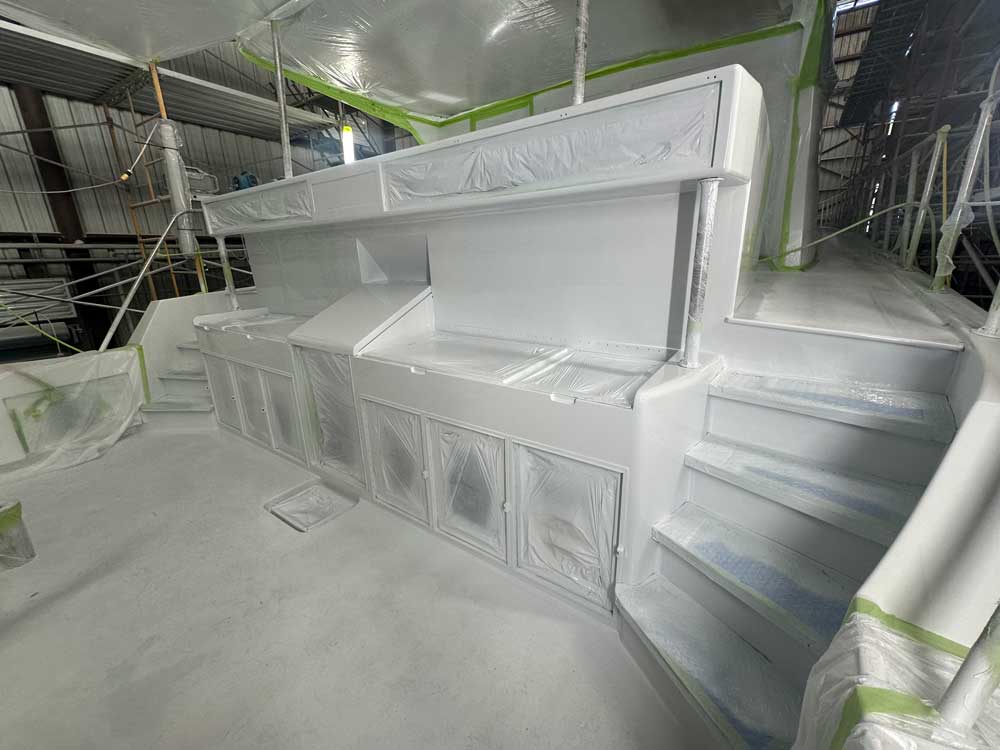
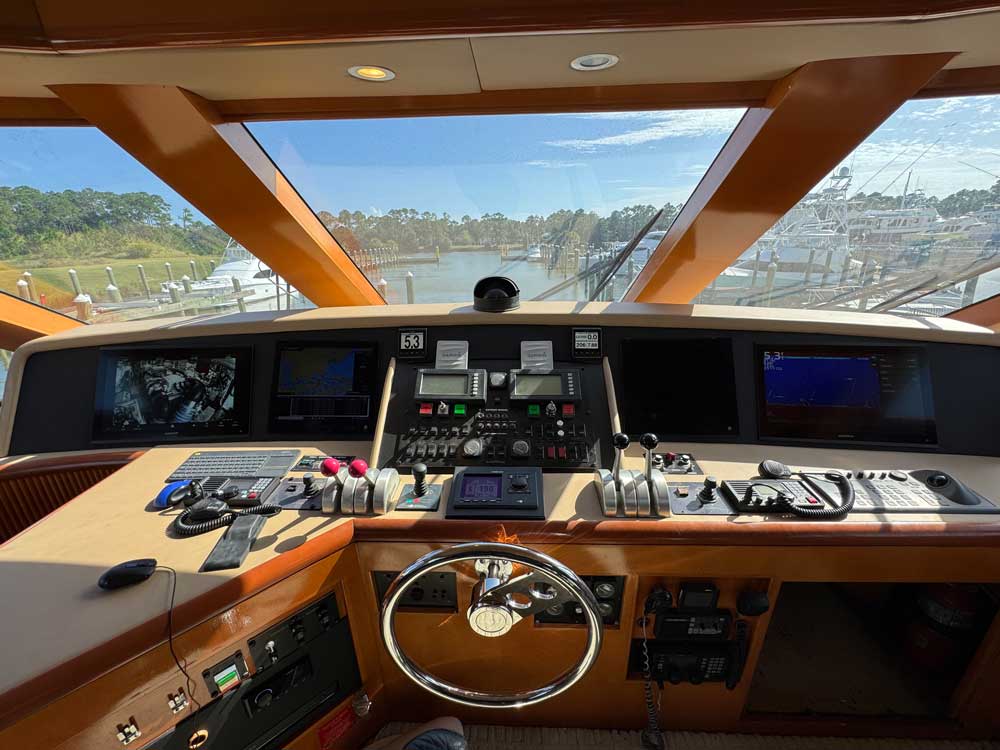
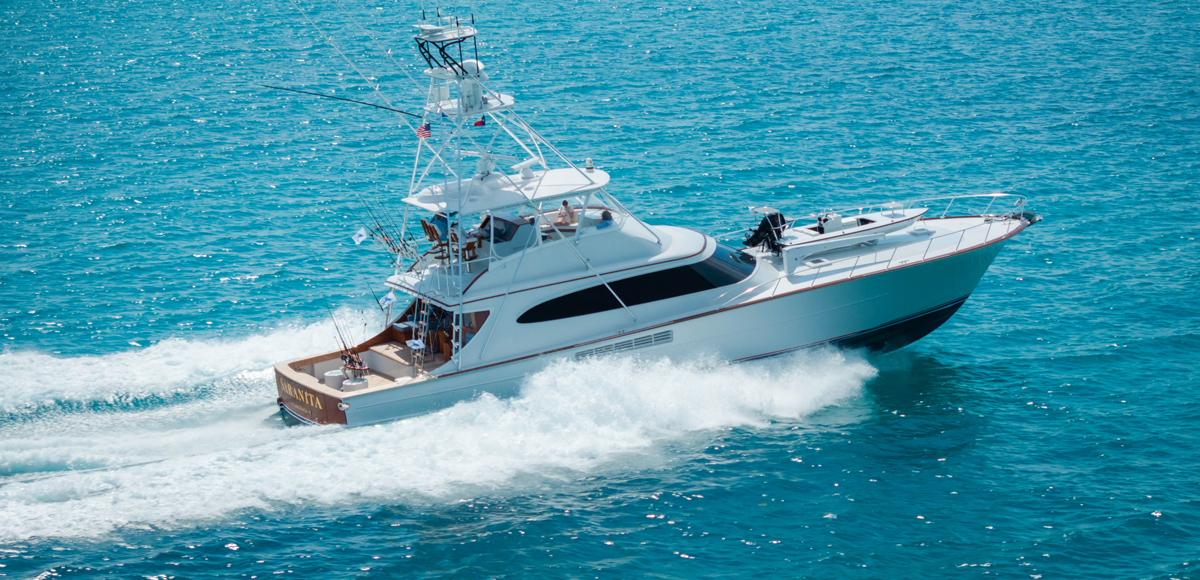
Hatteras 90 Leslie Marie
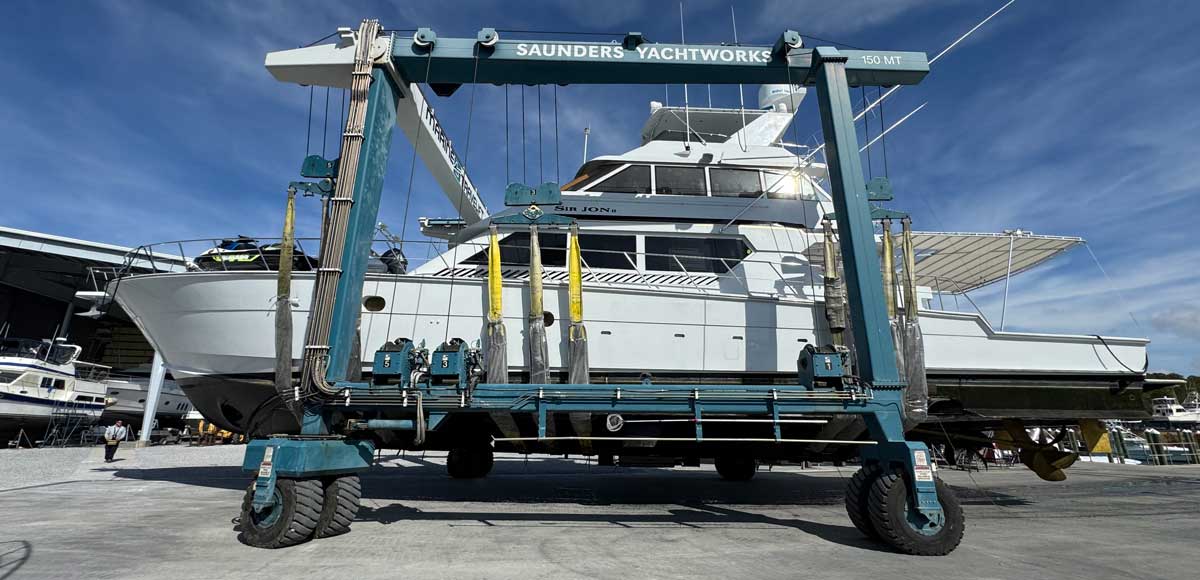
Former Miami Dolphin Bob Baumhower purchased Leslie Marie from Sandals founder Butch Stewart and considers it his “last boat,” even though he has owned many vessels over the years. The Hatteras will be based in Alabama but will see extensive use in the Bahamas.
“This boat is being redone expressly for my family and me to enjoy,” Baumhower said. “It’s perfect for what we want to do with our kids and grandkids.”
Baumhower hired John Fitzgerald and his team at Saunders Yachtworks in Gulf Shores, Alabama, to handle the refit.
A Fresh Coat of Paint
The largest part of the project was a complete exterior repaint using Awlgrip Awlcraft 3000, covering the skybridge, bridge, hull, house, mezzanine, and swim platform.
Additional upgrades included:
- New Release Marine helm chairs and tables
- Faux teak transom and new graphics
- An all-new Garmin electronics suite
- Starlink connectivity
- Multi-color LED underwater lights
- New SmartTVs throughout
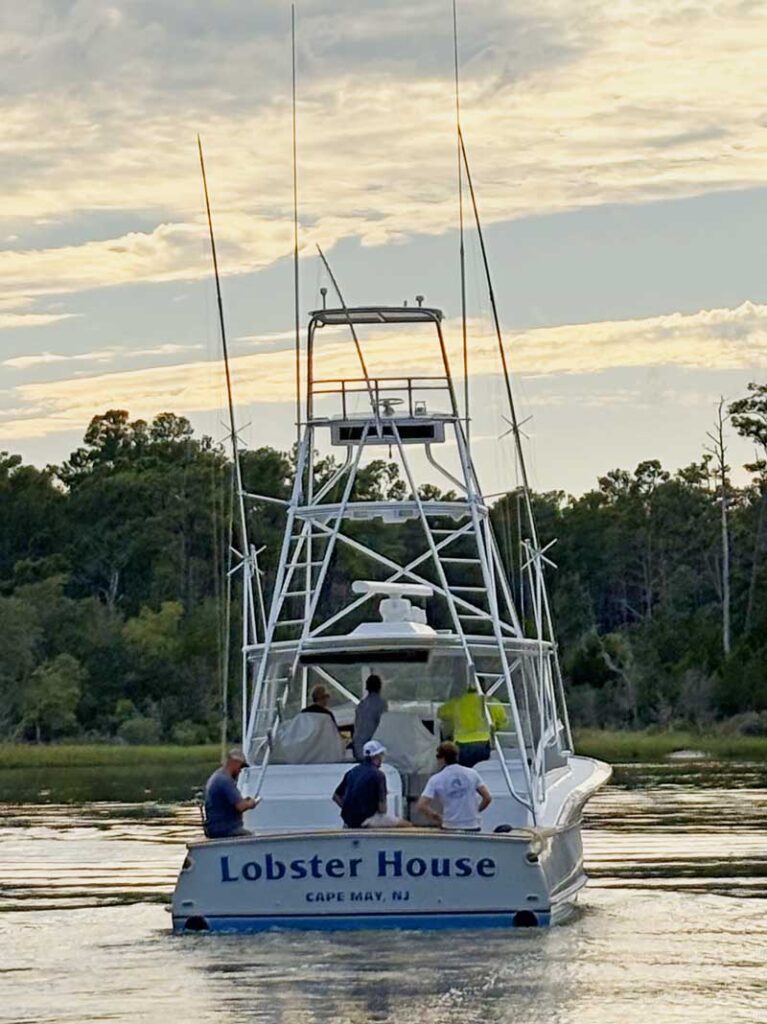


Jarrett Bay 41 Lobster House
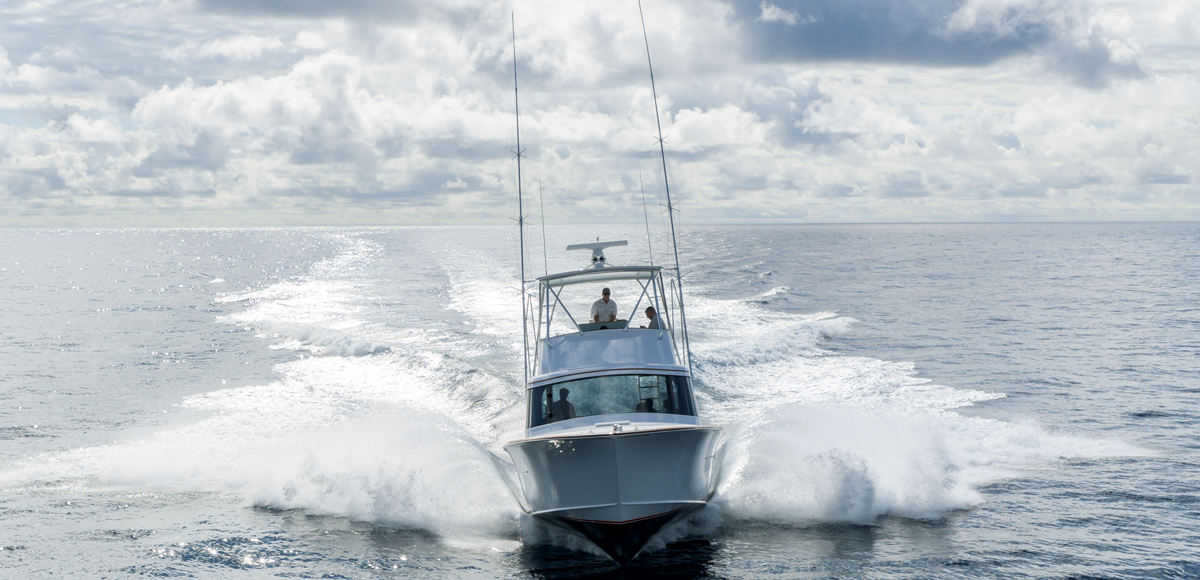
Lobster House is Jarrett Bay hull No. 44, a 2004 41-foot express boat owned by the current owner for 20 years. When it came time for a refit, he contacted Safe Harbor Jarrett Bay Project Manager Donnie Lee.
“I wanted to bring the boat back home for her refit,” the owner said.
Time for New Power
This refit included a full repower. The tower was removed to access the engines and prepare the decks and cabin sides for paint. The original 660-hp Cummins QSM11s were removed and replaced with 715-hp QSM11s and new transmissions.
Additional upgrades included:
- New rudders and shafts
- New fuel manifold
- New engine-room lighting
- New seacocks and hoses
Paint and a Lot More
The boat received a full paint job—including decks, hardtop, buggy top, bridge deck, bow deck, hull, and bottom paint.
Additional updates included:
- New teak covering boards and cockpit deck
- New rod holders and transom hawse pipes
- New exterior cushions and full enclosure
- New salon carpet, plumbing fixtures, and headliner
- Ceramic coating on the tower and all metal surfaces
The Takeaway
These two refits highlight different approaches, but the outcome is the same: a revitalized boat that looks new and is ready to be used the way its owner intends.
And that’s why we do it.
By John Brownlee

This article originally ran in the December 2025 edition of InTheBite Magazine, where we dive deeper into the refit decisions, real-world projects, and industry expertise that matter most to captains, crew, and serious boat owners.
Enjoy This Kind of Coverage? Help Us Keep It Coming.
Stories like this don’t happen by accident. They come from time spent in boatyards, conversations with builders and captains, and a commitment to covering the sportfishing industry with honesty, depth, and technical insight.
If you value real-world experience over marketing fluff, and want continued access to in-depth refit guides, boat features, tournament coverage, and expert perspectives, consider subscribing to InTheBite.
Your support helps us:
- Stay relevant
- Tell the full story behind the boats and the people
- Continue delivering high-quality coverage for the working sportfishing community
👉 Subscribe to InTheBite Magazine
Print • Digital • Industry-focused storytelling that goes beyond the dock talk