




More Than Just Water on Today’s Sportfishing Boats
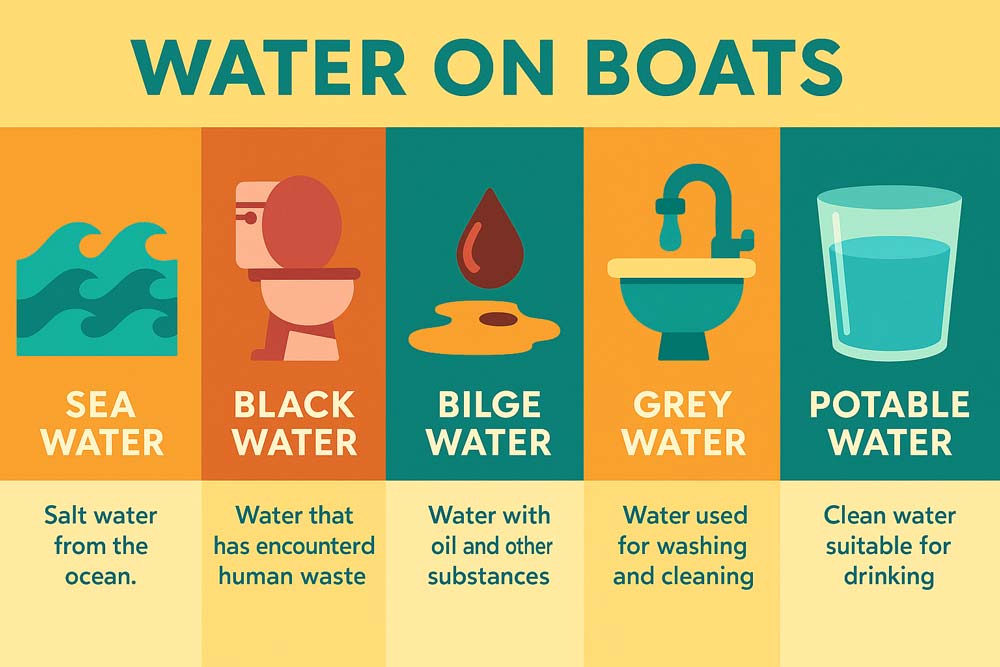
When sportfish crews talk about “water,” the conversation quickly branches into multiple categories: Fresh, potable, grey, black, sea, bilge, and more. But for daily life aboard, the most important water of all is the marine drinking water you drink, cook with, and shower in. Thanks to modern marine technology, today’s sportfish owners can enjoy higher-quality drinking water than ever before while dramatically reducing the need to haul cases of disposable plastic bottles aboard.
Many boaters assume dock water is fine, but water quality varies widely depending on local wells, municipal treatment processes, mineral content, and the condition of the marina plumbing. A stroll down any marina dock reveals an assortment of softeners, filters, and RO units boaters installed to improve their freshwater supply. With the right setup, your boat can have cleaner and better-tasting water than what you drink at home, and it can be cold, crisp, and ready at any time.
Understanding Potable Water on a Sportfishing Boat
Potable water is water that’s clean and safe to drink, what flows from your sink, shower, or ice maker. Good potable water on a boat depends on the quality of the dock water, the cleanliness of your tanks and plumbing, the type of filtration or RO systems installed onboard, and proper maintenance supported by occasional water testing. Water quality can be measured with simple $20 TDS meters or full laboratory analyses that check for minerals, chemicals, and bacteria.
Marine Reverse Osmosis Water Makers
A marine seawater reverse osmosis (RO) water maker remains one of the most reliable ways to achieve consistently excellent freshwater onboard. By pressurizing seawater to around 800 PSI and forcing it through a semi-permeable membrane, the system removes salts, minerals, and contaminants, producing extremely clean water. The result is ultra-low-TDS water, often in the 100–500 PPM range depending on the system, with taste and purity superior to many bottled brands.
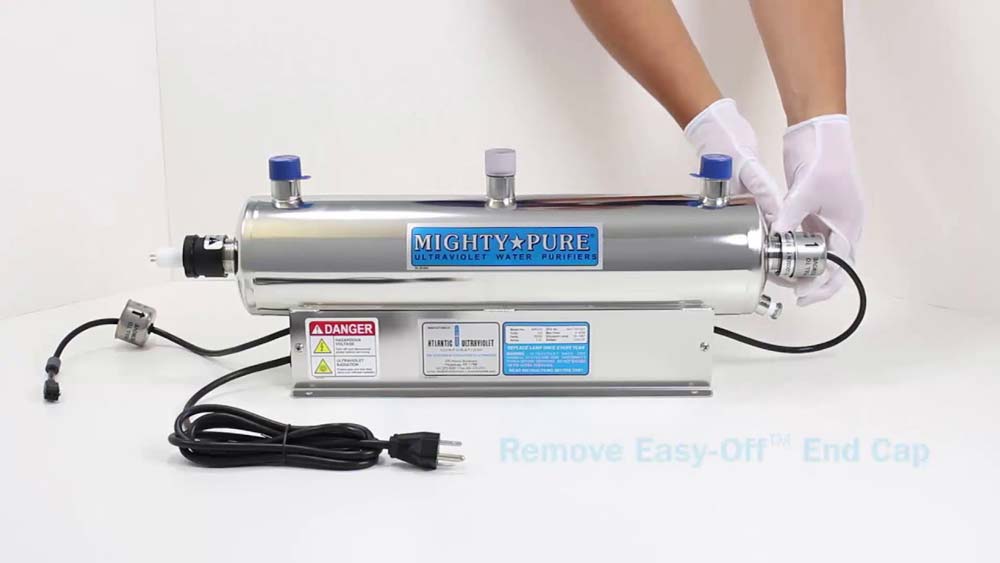
Water makers reduce the need for purchased water, allow longer-range operation, and provide excellent independence while cruising. Many boats also include a UV sterilizer on the product-water line to add another level of protection, using ultraviolet light to neutralize any remaining microorganisms without chemicals or affecting taste. This step is especially valuable because water in onboard tanks may sit for extended periods, pass through plumbing of varying ages, or develop biofilm in warm conditions.
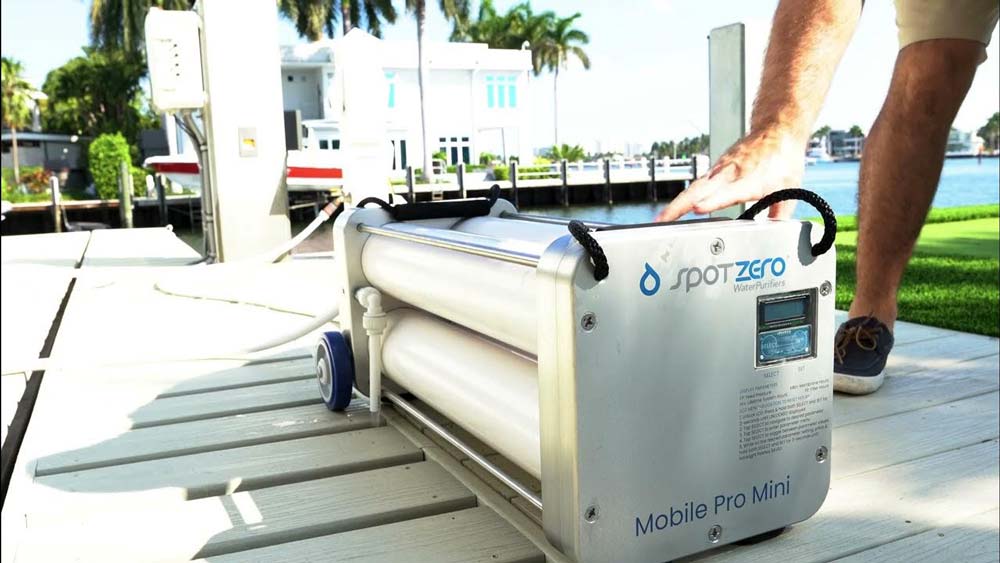
Boaters who rely exclusively on dock water or want to ultra purify their water can greatly improve their supply by installing a freshwater reverse osmosis (RO) system such as Spot Zero, Bluewater, FCI and others. These systems process municipal water or even water maker product water and consistently produce water with less than 20 PPM TDS, often reducing that number into the single digits.
Extremely low-TDS water eliminates water spots, prevents mineral buildup, and improves the taste of every drop. Appliances such as ice makers and coffee machines benefit substantially, and the reduction in bottled water consumption becomes immediate. This type of system mirrors what is found in high-end residential and commercial environments but is specifically engineered for marine use.

Water Softeners vs RO Systems
Some owners choose water softeners as a simpler and less expensive solution. While softeners improve the “feel” of water by exchanging certain minerals for others, they do not reduce TDS or remove solids. This makes softened water excellent for showering and general cleaning but not a true substitute for RO when extremely pure water is desired.
Sanitizing Freshwater Tanks Properly
If water lines or the tank have become contaminated, the EPA/FDA recognized way to sterilize a system is to sanitize the tank with unscented household bleach at a concentration of 50–100 ppm. This is commonly achieved by adding a quarter to half a cup of bleach per 15 gallons of capacity, filling the tank completely, drawing the treated water through every faucet, and letting it sit for eight to twelve hours. After soaking, the system is flushed until all trace chlorine odor is removed, ensuring the tank and plumbing are safe for drinking and food preparation. Thetford offers a “freshwater tank sanitizer,” if you are looking for an off the shelf solution.
Point-of-Use Drinking Water Filters
Even with excellent boat-wide systems, many owners choose to install point-of-use filters directly before the drinking-water faucet. These compact filters provide a final stage that removes any remaining sediment, chlorine, volatile organic compounds, or trace contaminants. Because boat plumbing can vary in age and material, a point-of-use filter ensures that water entering your glass is as clean and great-tasting as possible.
When combined with RO- or UV-treated water, this final stage creates drinking water that rivals or surpasses premium bottled brands without the storage burden or plastic waste. Even a basic carbon filter can meaningfully improve the taste and odor of dock water and represents the simplest entry point to better onboard water.
Chilled Marine Drinking Water Systems for Boats
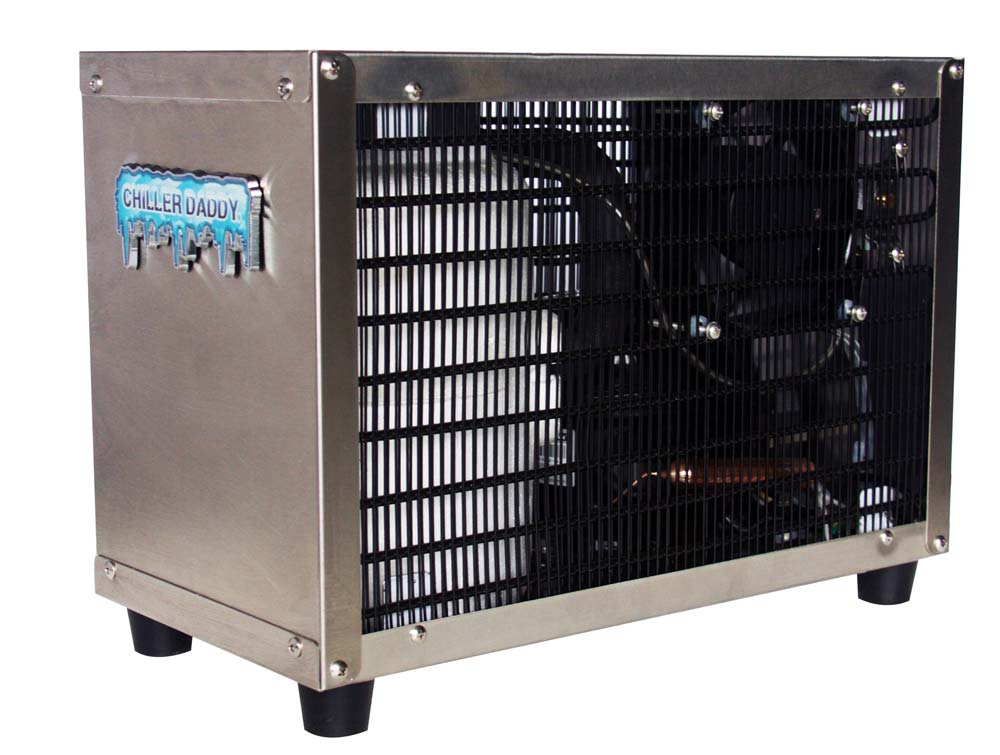
A rapidly growing trend among sportfish owners is the installation of under-sink/under-counter drinking-water chillers. These compact refrigeration units deliver continuous, ice-cold, purified water directly to the galley, cockpit, or bridge. They pair perfectly with RO or water maker output and eliminate the need for storing cases of bottled water in coolers.
Systems such as Chiller Daddy and Franke Chillers with their stainless-steel components are a good fit for the marine environments, providing cold water down to 40-45 degrees with remarkably low power consumption. They fit into tight spaces, can run continuously, and transform the onboard water experience by providing cold, clean drinking water on demand. Many boats have added these chilled water faucets in multiple locations to support quick refills of insulated bottles throughout the day.
Why Owners Are Eliminating Bottled Water
According to Kevin Tallaksen, owner of Tally’s Mobile Marine Service in Daytona Beach, Florida, under-counter chilled drinking-water systems with integrated prefilters have become one of the most popular upgrades on boats. Tally’s has installed these system on boats ranging from 32 to 92 feet. His team installs a wide array of freshwater, refrigeration, and comfort systems, and he notes a strong shift toward chilled, purified drinking-water stations. Tallaksen explains that water makers, freshwater RO systems, or even moderately clean dock water can be easily filtered and chilled right at the faucet.
Owners increasingly want to reduce the weight, storage space, and trash associated with bottled water. Many of the systems Tallaksen installs produce water around 40 degrees, so owners and crew can fill a quality insulated bottle without the need for ice. He recalled a large sportfish that spent six months cruising the Caribbean without a single prefilter change and without needing to buy bottled water at all, greatly simplifying provisioning. The hardware for these chillers often costs less than a single day’s worth of fuel, making it one of the easiest upgrades to justify.
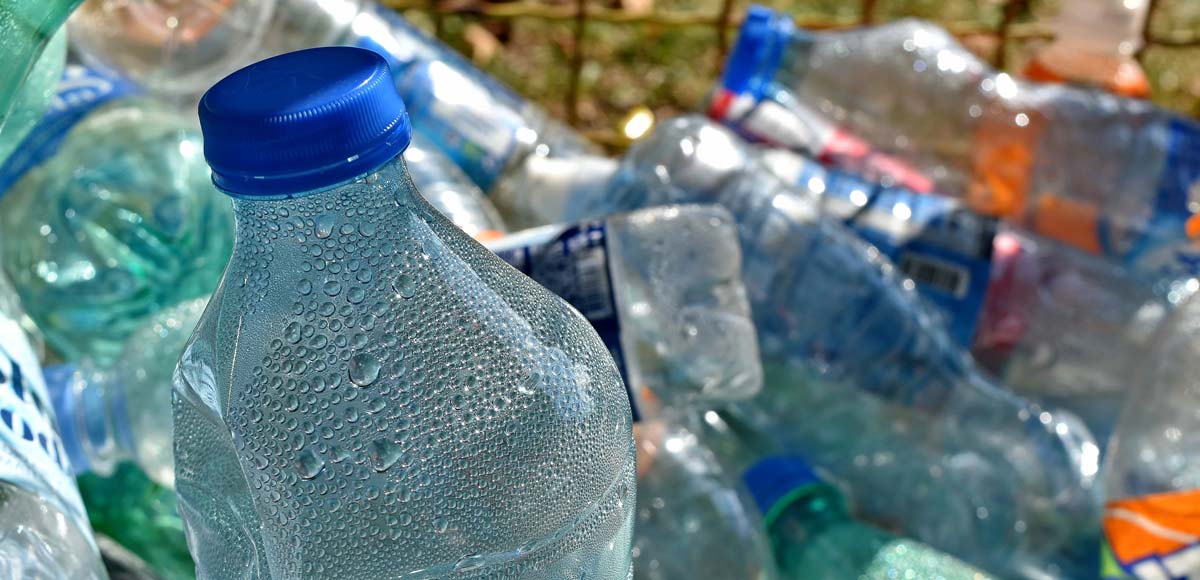
As more boats adopt water makers, freshwater RO systems, high-quality filtration, chilled drinking-water taps, and properly maintained tanks, owners naturally find that they no longer need to buy cases of single-use plastic bottles. Guests and crew simply refill their insulated bottles with water that is cleaner, colder, and fresher than most commercially bottled water. On longer trips, this shift improves convenience, frees up cooler space, reduces weight, and eliminates an enormous amount of trash, keeping the boat tidier and more environmentally friendly.
Whether the goal is to eliminate water spots, enjoy cold refreshing water at the tap, or improve the quality of onboard ice, the right combination of systems can transform the freshwater experience. The ocean may surround your boat, but with the proper equipment, you will never be short on clean, cold, perfect drinking water again.
Sidebar: Bacteriostatic Remineralizer
A boat may use a bacteriostatic remineralizer after processing water—especially RO or Spot Zero water—to restore a small, controlled amount of beneficial minerals such as calcium or magnesium while preventing microbial growth within the cartridge. RO water is extremely pure, often too pure, which can make it “flat” tasting and slightly aggressive to certain plumbing materials over long periods.
A remineralizer balances the water’s chemistry, improves taste, and helps stabilize pH, while the bacteriostatic media inside the filter suppresses bacterial colonization. The result is water that tastes more natural, stores better in tanks, and remains safer during extended trips or warm onboard conditions.
When Your Boat Makes Better Water Than Your House
In Quepos, one boat owner has developed a daily ritual on his non-fishing days: he leaves his beautiful hillside home overlooking Marina Pez Vela, strolls past a dozen perfectly good cafés, and heads straight to his boat—not to go out, but to fill his giant Yeti jug. Why? Because the RO system on his boat makes water so clean and crisp that his household faucet doesn’t stand a chance.
After months of “boat water runs,” he’s now planning to install a full RO system at home, mostly so his neighbors will stop asking why he keeps hauling a cooler down to the dock like he’s smuggling contraband hydration.
Disclosure: As an Amazon Associate, we may earn commissions from qualifying purchases made through links on our site. This helps us continue to bring you valuable content. Thank you for your support!
Capt. Steve Katz, is the owner of Steve’s Marine Service Inc in Ocean City, Maryland and South Florida. He is the Chairman of the Board of The National Marine Electronics Association (NMEA) and holds ABYC Master Technician certification, NMEA NMET certification along with factory training from many manufacturers. To contact Steve, email info@https://in.

Dive Deeper into the World of Sportfishing
You’ve just experienced a taste of the exceptional content featured in the pages of InTheBite Sportfishing Magazine. If you found this engaging, you’re in for a treat with our full publication. Whether you prefer the tactile experience of print or the convenience of digital, we have the publication for you.
Visit our subscription page now to join the InTheBite family and elevate your sportfishing experience with every issue.