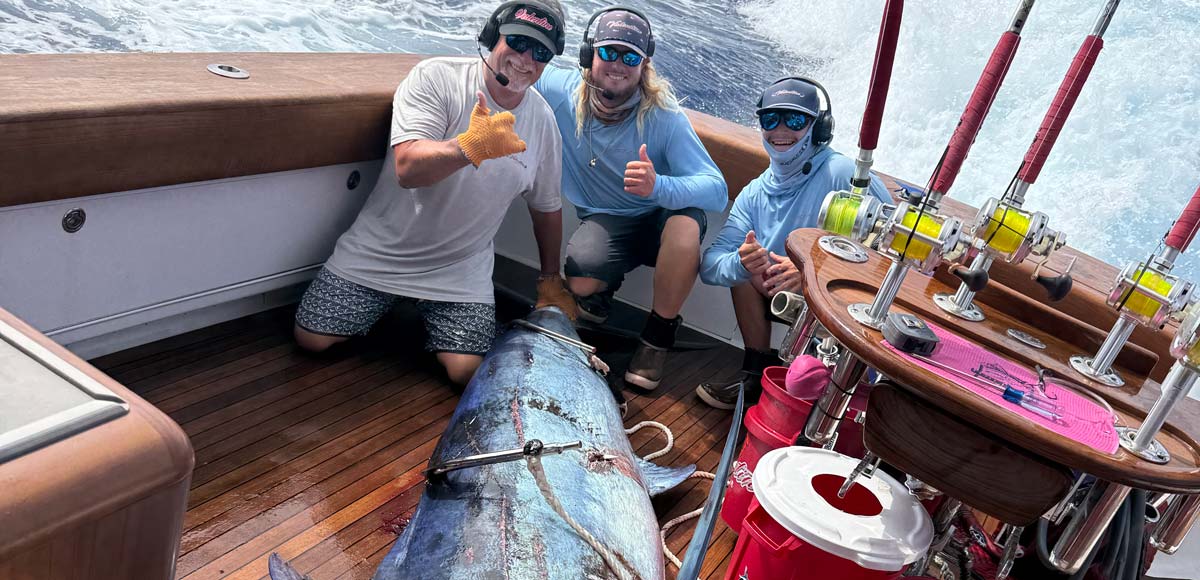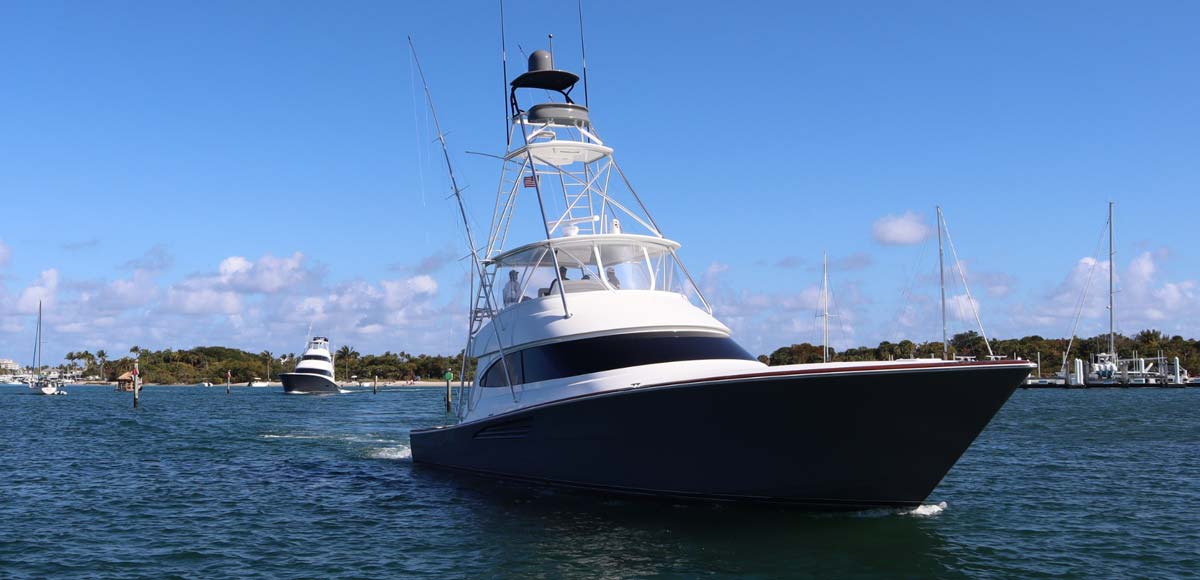


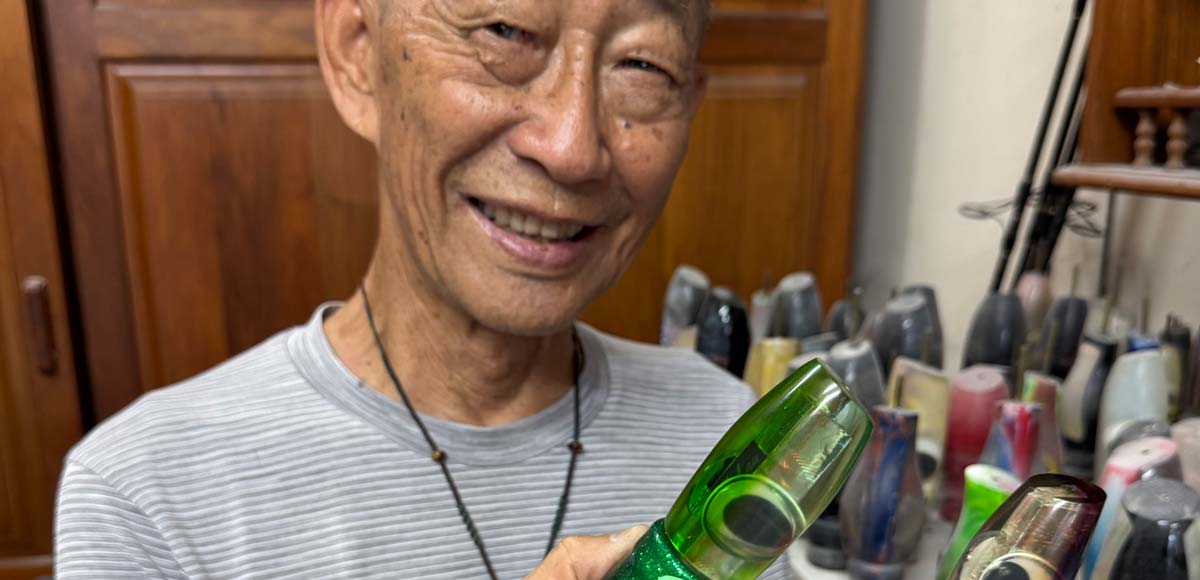

John Lau’s standout big-fish story dates to 2006, when one of his lures proved itself on a major stage. It was during the Hawaiian International Billfish Tournament (HIBT), out of Kona. Angler Philip Chan, representing the New Britain Game Fishing Club from Papua New Guinea, was fishing aboard the Humdinger, a 37-foot custom Rybovich, with Captain Jeff Fay at the helm.
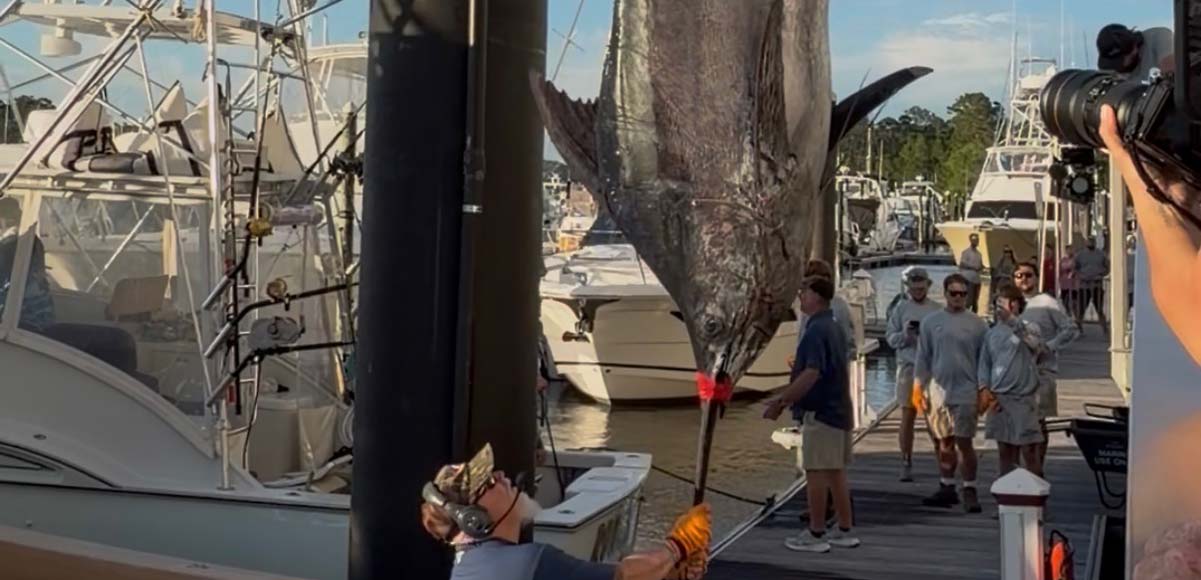
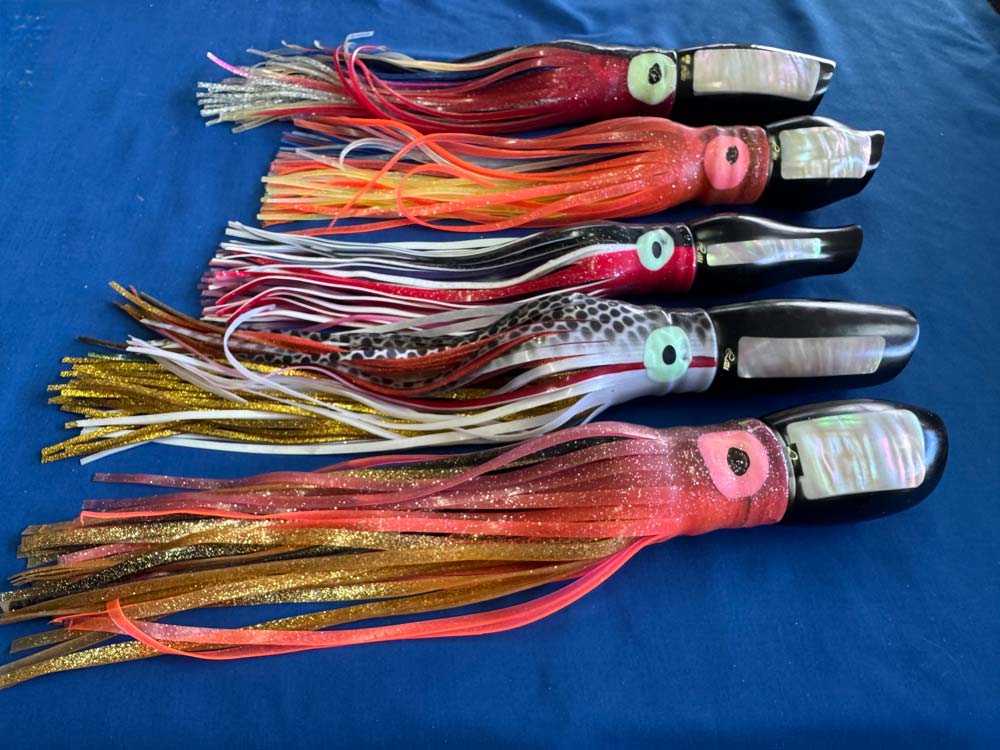
“I was allowed to put one lure out on the long corner,” says Lau, who was also onboard and had selected his “Good Head” lure with a Talibung shell insert for the task. A blue marlin pounded it almost immediately. Chan fought the fish for 45 minutes as a press boat full of photographers circled close. When the gaffs went in, the marlin weighed 594 pounds, the heaviest of the tournament and worth a second place overall for the boat. For Lau, it remains a key moment that showed exactly what one of his lures could do.
Growing Up in the Wake of WW2
Lau has spent his entire life in Rabaul, Papua New Guinea’s East New Britain Province, though he is well-traveled, flying to places like New Zealand and Hawaii to fish. Along the way, he has even found himself shaking hands with sports figures such as Muhammad Ali, Mark Spitz, and Andre Agassi. His beginnings, though, were far removed from any spotlight. He was born inside a Chinese-laborer-built war tunnel in the final months of World War II, when the area was still under occupation by the Japanese.
He grew up in Ratongor village on the north coast, the son of parents with Rabaul and Chinese roots. The environment was demanding, but it taught him practical skills early and built the steady, no-nonsense mindset that later defined him. Those early lessons proved invaluable as he developed into one of the Pacific’s most respected lure makers.
“As a child, I remember being taken by canoe onto a shipwreck in Rabaul harbor,” says Lau. “More bombs were dropped in Rabaul than in Berlin, hence so many wrecks in the harbor. I saw some local fishermen catching bait, attaching it to a hook on a big handline, and then throwing it back into the water. A long tom (a type of needlefish native to the area) would take the bait and run, then stop and swallow the bait. At the second run, after the bait had been swallowed, the fisherman would set the hook. This was a lesson I shall never forget.”
Lau and his wife, Sandra, started small. In 1971, they opened a modest retail shop that sold single imported clothing items to the local community. Over the years, that operation steadily grew into a broader family enterprise that now includes the Tropicana Shopping Center in Kokopo, Tropicana Ltd. Supermarket in Rabaul, and Tropicana Wharf in Kokopo, a key hub for local fishing and the site of the annual
Tropicana Billfish Tournament.
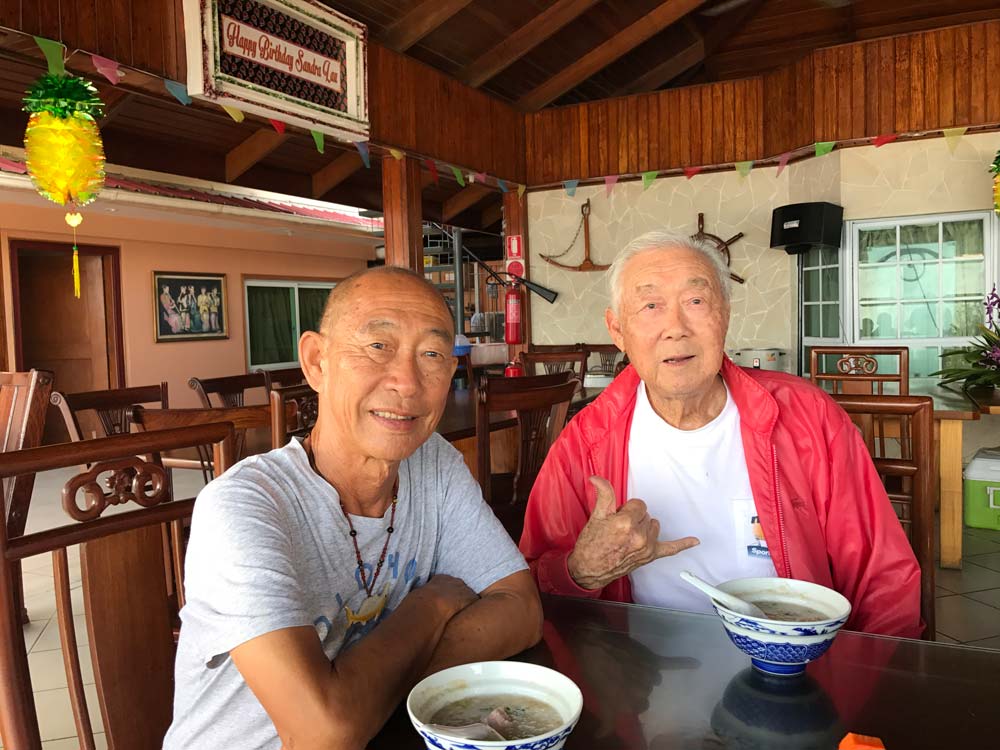
Their expansion also produced a first for the region: the province’s first escalator, installed at the multi-level Tropicana Limited mega-store in Kokopo. Today, Tropicana employs more than 600 people across its various locations, serving as both a commercial anchor and a gathering point for residents and travellers alike. “We used to catch a lot of Ahi in my early days fishing and the occasional sailfish, but never a marlin,” Lau said. “I had my own boat and fished around Pidgeon Island off the coast of Rabaul.”
First Lures
Lau’s lure making started in 1980 when the New Britain Game Fishing Club first participated in the Hawaiian International Billfish Tournament. During that trip, a visit to Yama’s Tackle Shop in Kona sparked his interest. The wide range of shapes and colors on display—especially the Joe Yee Super Plunger—caught his attention and made him curious about how lures were fashioned. A newspaper article by Hawaii-based fishing writer Jim Rizzuto on lure making added to that interest, outlining the materials and basic steps involved.
“I managed to obtain some Dow Corning RTV and 3120 Red for Lead Moulding, and also bought some resin with a catalyst,” he says. Back in Rabaul, Lau began making a prototype head with a canister. He used a lathe to shape it, then made a one-piece mould and inserted a lead core wrapped in prism paper with eyes. He didn’t name it, but on a test run out to Pigeon Island, he caught a small marlin with it. That’s how Lau started down his famous lure-making path.
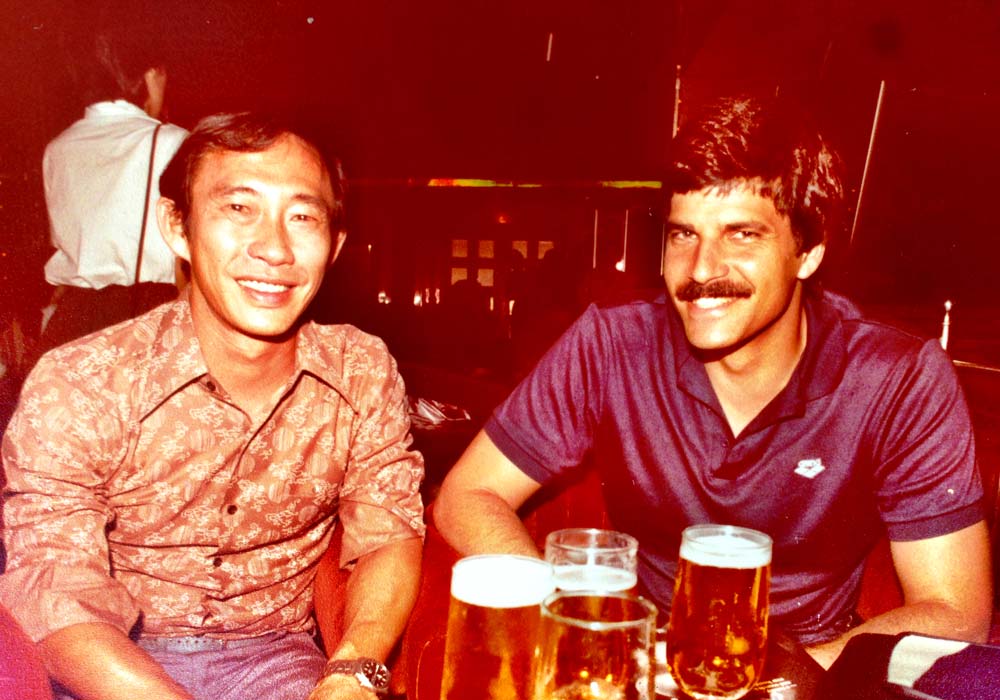
“In 1982, I stopped in Honolulu on the way back to Kona and decided to meet Mr. Joe Yee, thinking he had a retail shop,” Lau said. “To my surprise, it was his house. I also met his wife, Phylis. Joe was happy to show me his workshop and gave me some tips on making a split mould.” He set out to make the split mould and succeeded. “You can see the process in Jim Rizzuto’s book, ‘Fishing Hawaii Style,’” Lau adds.
This split mold lure was a medium type of plunger skirted with a 12.5-inch skirt. Lau named it “The Original Talibung.” “A friend who traded in shells gave me a few green snail shells,” he said. “I cleaned them up, polished and dissected them to size for my various lure shapes. The local people call this shell ‘Talibung.’” In 2000, Lau and fellow members of the New Britain Game Fishing Club were invited to Kerikeri, New Zealand, to fish in the waters of the Bay of Islands. There, with his Original Talibung lure, he caught a 249 kg (548 lb) blue marlin on a 15 kg (30 lb) line.

John Lau Luring Plenty of Catches
There’s been no shortage of epic catches on Lau’s lures. In 2005, “Linda,” a big-and-short type lure with a 14-inch vinyl, attracted the heaviest blue marlin at the HIBT, a 636.5-pounder caught aboard Captain Scot Fuller’s 53-foot Tara II. This was followed the next year by Chan’s 594-pounder with Lau’s Good Head lure. In August 2019, Lau caught the heaviest ahi, a 171.5-pounder, in the HIBT, aboard the Jun Ken Po, a 42-foot Bertram. He used his Spitz lure, a small-sized lure with a 9.5-inch skirt.
Sportfishing in Papua New Guinea
Since 1998, Lau serves as an IGFA representative for Papua New Guinea, and he founded the Tropicana Billfish Tournament. It’s a tag-and-release-only tournament held each November and hosted by the New Britain Game Fishing Club in Rabaul. “I started the tournament after testing the waters in the St. George channel, which is between the Duke of York islands and New Ireland,” he said. “Here, there are seamounts, deep holes, and varying depths to over 1,000 fathoms. This channel produced an abundance of blue marlin. my various boats over several years have tagged and released 13 blues on 16-pound line.”
The tournament’s best year was 2019, when 11 local and international boats tagged and released 245 blue marlin and three sailfish in nine days of fishing.

Looking Ahead
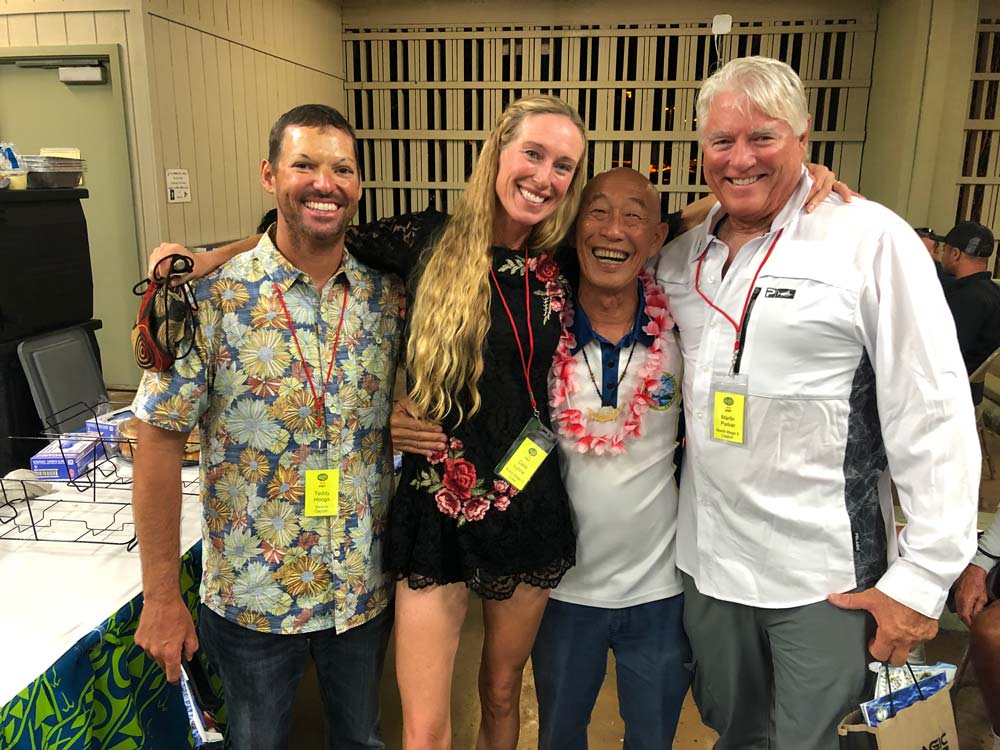
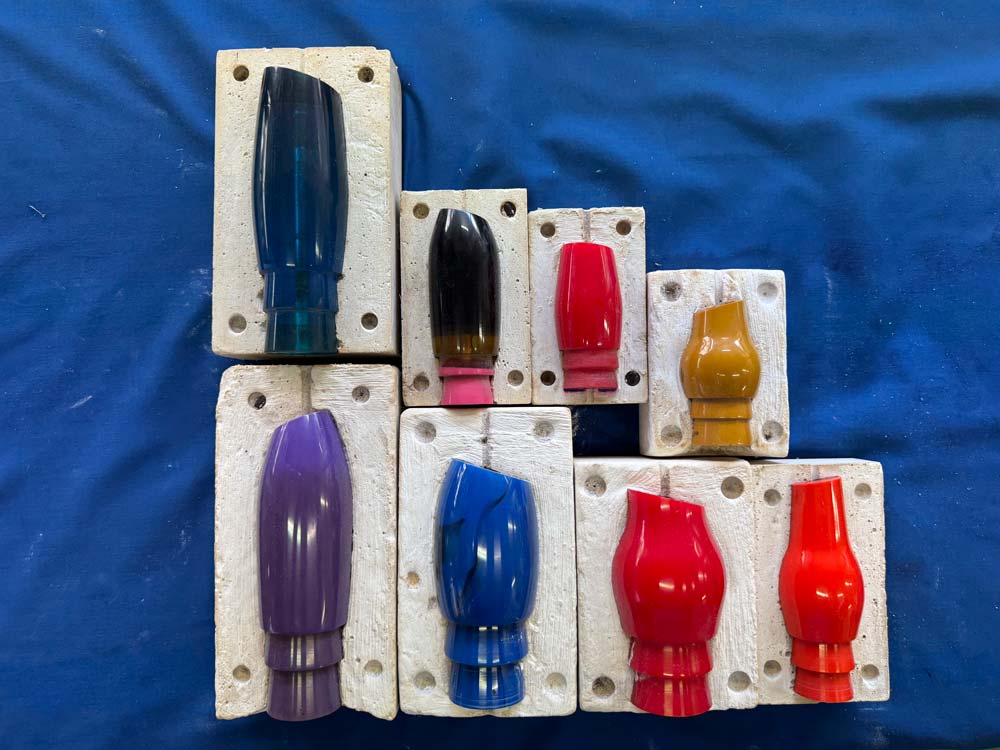
Lau celebrated his 80th birthday last year. “Lure making for me is only a hobby,” he said. “My lures are given away to friends, and many big fish are caught with them. To make a great lure, do not copy anyone else. Think of a design that you believe will run great with plenty of action. The lure must have a lead weight and be able to run at higher speeds. I like to run mine at 8.5 knots, which creates extreme movements. Today, I only make them with the Split Mould. To be in the workshop making lures is doing what I love.”

Dive Deeper into the World of Sportfishing
You’ve just experienced a taste of the exceptional content featured in the pages of InTheBite Sportfishing Magazine. If you found this engaging, you’re in for a treat with our full publication. Whether you prefer the tactile experience of print or the convenience of digital, we have the publication for you.
Visit our subscription page now to join the InTheBite family and elevate your sportfishing experience with every issue.