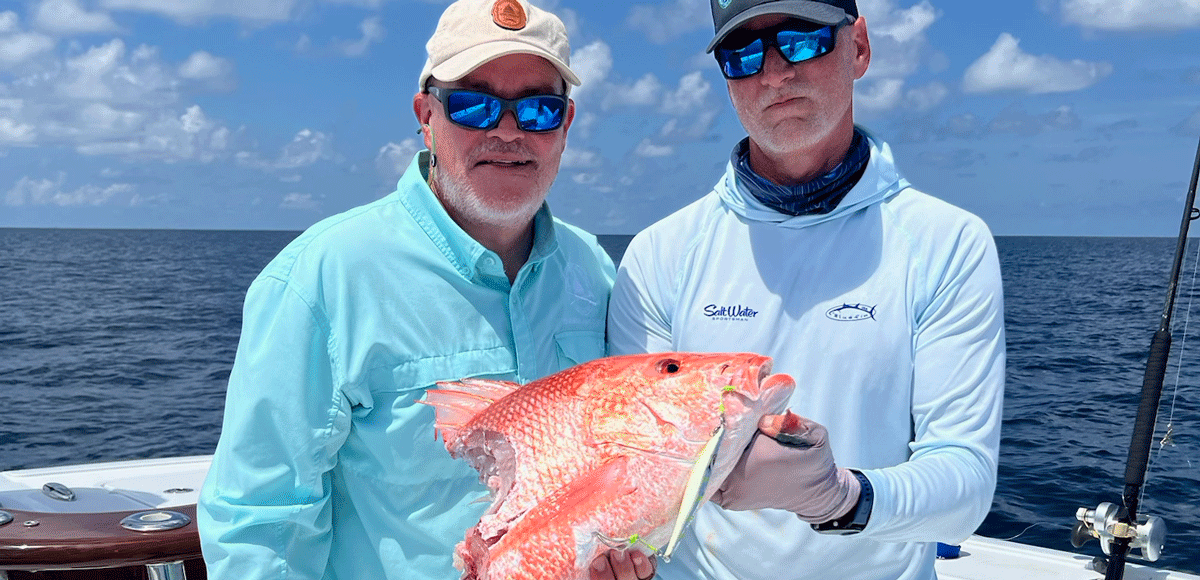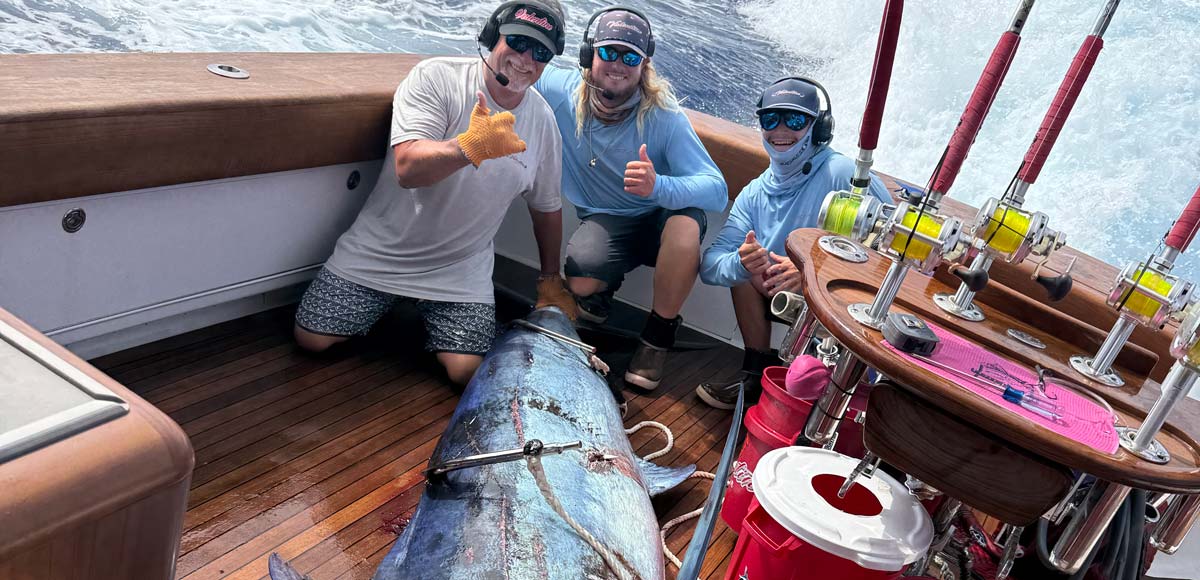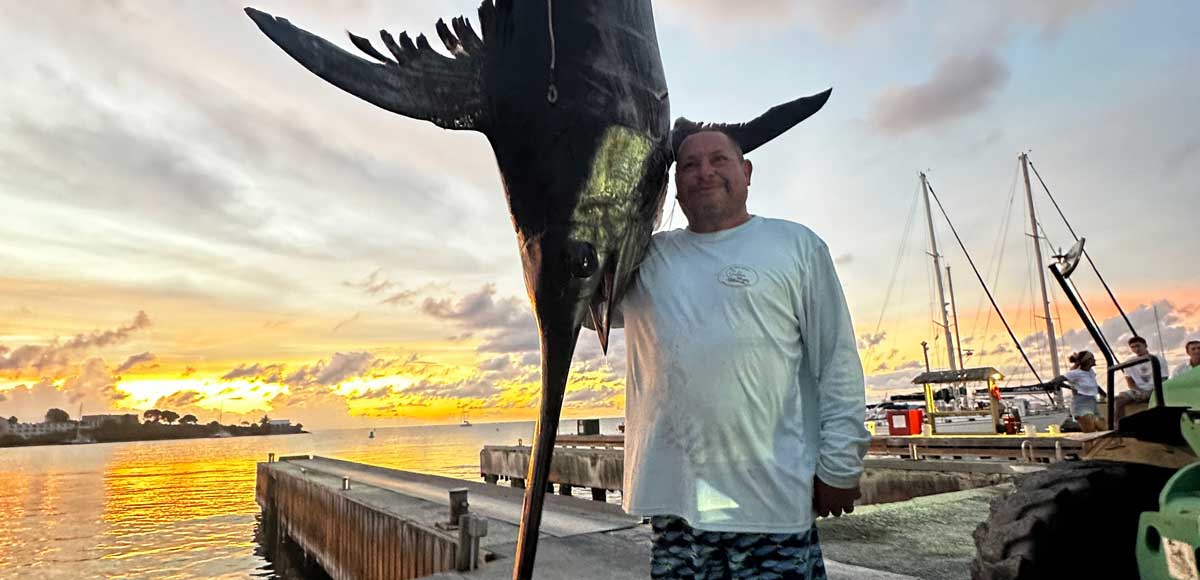




For anyone who fishes in the Gulf of America (Gulf), you know that pulling up to an offshore oil or gas platform can quickly change your fortune from merely fishing to catching fish. However, imagine that you ran 30-plus miles offshore to a favorite platform that you have fished for decades only to find it is no longer there, gone with nothing on the sonar but mud and sand. That scenario has played out far too frequently in recent years.
Since the late 1940’s, somewhere around 7,000 offshore platforms have been constructed in the Gulf. In those early years, no one really fathomed that erecting steel structures in the ocean to extract hydrocarbon-based energy would have such a profound, positive effect on fisheries productivity, marine biodiversity, and the opportunity for anglers to consistently put fish in the boat. Nevertheless, it was not long after the first structures were built that these steel labyrinths became premier fishing and diving destinations.
Aggregation or Increased Biomass?
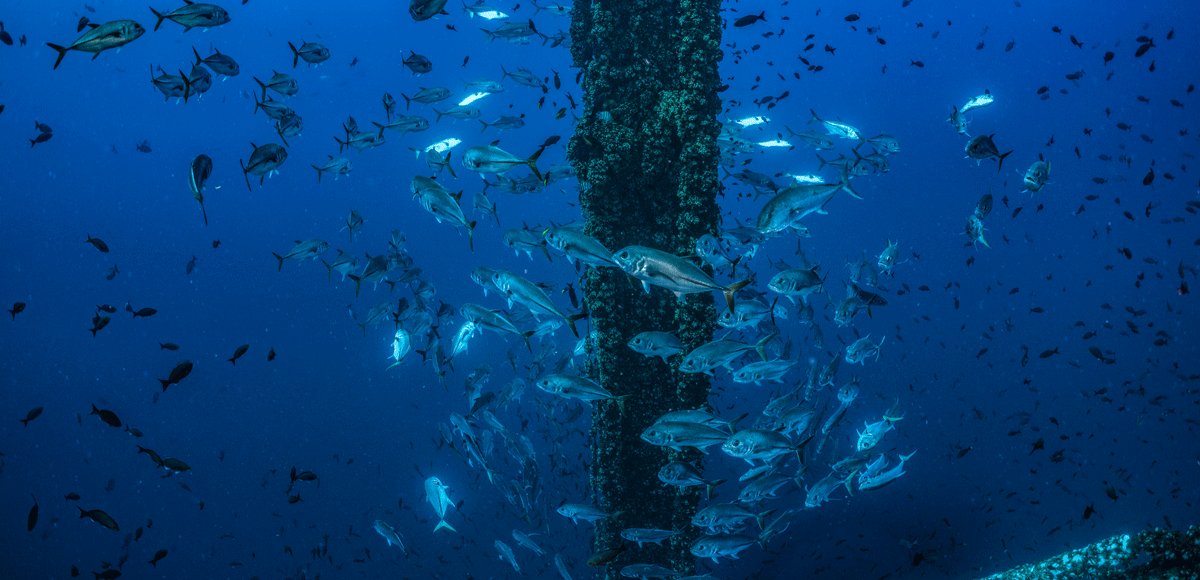
Since then, there has been some debate as to whether artificial structures like oil and gas platforms simply attract fish from surrounding areas or whether they result in population increases. While some level of aggregation undoubtedly occurs, there is now ample research that solidly supports artificial habitats providing important ecological functions, including producing more fish, coral, and marine biomass.
For example, a 2020 study by the Bureau of Ocean Energy Management (BOEM) discovered that as much as 48 percent of the greater amberjack stock in the Gulf is associated with offshore oil and gas infrastructure. The authors of the study stated that, “Platform removals are likely having, and will likely have, significant adverse impacts on local fisheries, especially those offshore Louisiana and Mississippi.” An even more compelling study was published in 2014 in the Proceedings of the National Academy of Sciences. They found that, “…oil and gas platforms off the coast of California have the highest secondary fish production per unit area of seafloor of any marine habitat that has been studied…”
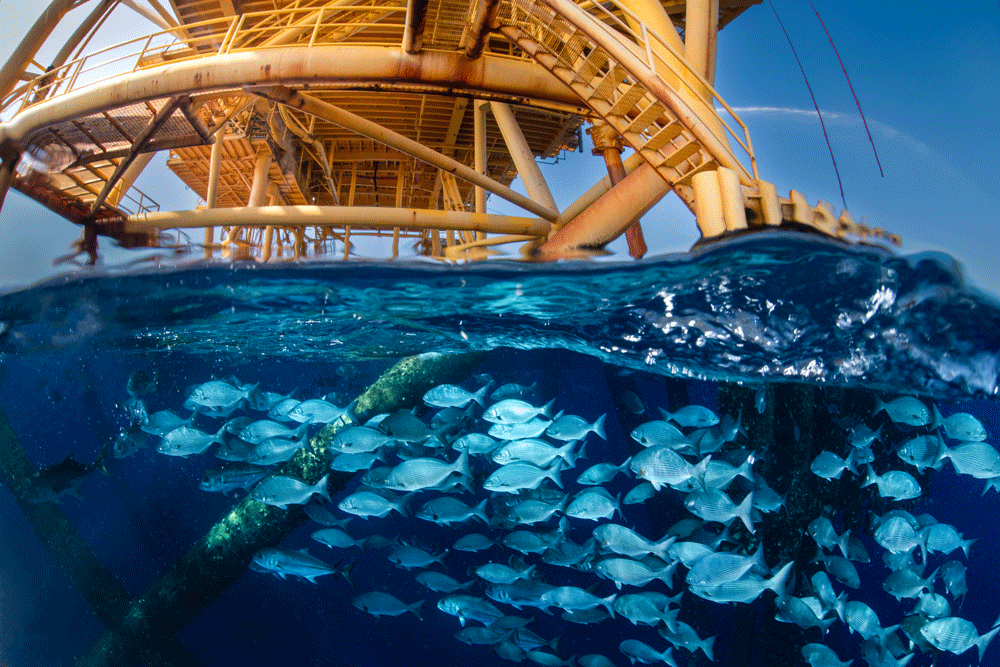
Rigs-to-Reefs
Yet, we can expect no help from NOAA in saving these highly productive habitats. Their Office of Habitat Conservation focuses almost exclusively on natural areas and pays little attention to the biodiversity meccas often found on older oil and gas platforms. Today, only 1,050 platforms remain, half of which are on terminated leases and, by law, will be removed in the next few years.
Luckily, there is the Rigs-to-Reefs program, where states with an approved Rigs-to-Reefs plan can enter into an agreement with the platform owner to accept liability and ownership of an obsolete platform. A primary condition that must be met is that all associated wells are permanently sealed, just as they would if decommissioning the structure to shore.
As one might guess, with five federal agencies having a hand in the permitting process, there are far more platforms removed than are reefed. The process can take anywhere from two to four years to save just one, and we have hundreds poised for decommissioning before the average charter boat will repower.
Location Matters
Another challenge for the Rigs-to-Reefs program is the platform’s location. If it is not already in a U.S. Army Corps of Engineers approved reef planning area, it must be towed to one, creating a major disincentive for many oil and gas companies to participate in the program, not to mention killing many of the corals and other attached marine life that took decades to establish.
However, we have the solution. The Congressional Sportsmen’s Foundation worked with Congressmen Mike Ezell (R-Miss.), Marc Veasey (D-Texas), and Troy Carter (D-La.) to introduce the Marine Fisheries Habitat Protection Act (H.R. 5745). This bill would facilitate the conversion of these prolific marine habitats to permanent artificial reefs by providing more time to transition the structures into a state artificial reef program and allowing for platforms to be reefed in place without the need to tow. But the clock is ticking.
To help educate legislators and the public on the ecological value of these structures, we worked with Arena Energy on the documentary Steel to Sanctuary: The Rigs-to-Reef Story. We are hopeful that through this legislation and campaign, pulling up to a desolate spot in the ocean where underwater skyscrapers teeming with marine life once sat will become a thing of the past.
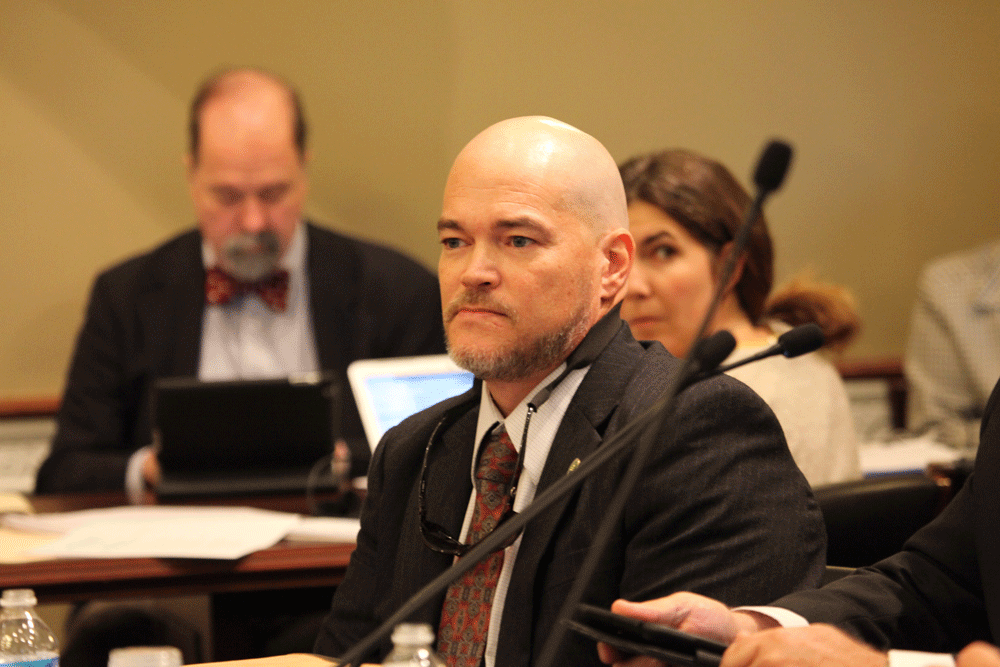
By Chris Horton who is the Senior Director of Fisheries Policy for the Congressional Sportsmen’s Foundation based in Washington, DC.
👉 Sign Up for the InTheBite Newsletter
Get the latest Captain of the Year updates, tournament coverage, and offshore industry news delivered directly to your inbox.
The 2026 Captain of the Year season is officially underway with points stacking up across the Gulf Coast, International, East Coast, Florida, and Hawaii divisions as teams battle through the world’s top billfish tournaments.
Stay current with:
Track the 2026 Captain of the Year Standings
Follow every division, points update, and sanctioned event throughout the season.
👉 View Captain of the Year Standings
Learn More About Captain of the Year
See rules, divisions, scoring structure, and the history behind professional sportfishing’s top performance award.

Dive Deeper into the World of Sportfishing
You’ve just experienced a taste of the exceptional content featured in the pages of InTheBite Sportfishing Magazine. If you found this engaging, you’re in for a treat with our full publication. Whether you prefer the tactile experience of print or the convenience of digital, we have the publication for you.
Visit our subscription page now to join the InTheBite family and elevate your sportfishing experience with every issue.